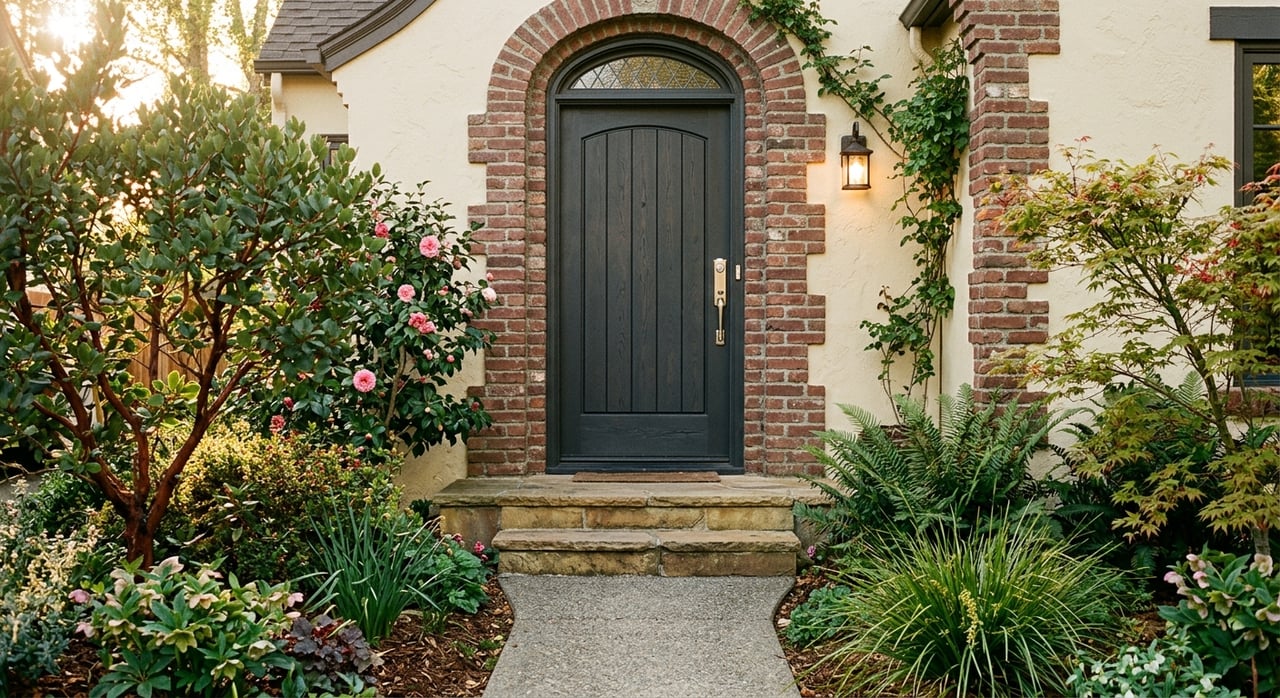
Winning The Offer On A Home In Oakland
May 7, 2026
May 7, 2026
Buying in Oakland can feel like a race against the clock, especially when a well-priced home draws quick interest and multiple offers. If you are trying to compete without overpaying or giving up protections you may still need, the process can feel stressful fast. The good news is that a winning offer is not just about price. It is about preparation, clarity, and smart strategy. Let’s dive in.
Oakland remains a competitive market by most public measures, even if different platforms describe it a little differently. In early 2026, Redfin reported homes selling in about 15 days on average with 3 offers per home, while Zillow showed a median 24 days to pending and said 58.5% of sales went over list price. Realtor.com called Oakland balanced in March 2026, but still reported a 106% sale-to-list ratio.
The practical takeaway is simple: you should expect some Oakland homes to move quickly, and you should expect competition on the best-priced listings. At the same time, not every neighborhood, property type, or price point behaves the same way. That is why a micro-market strategy matters more than relying on one citywide headline.
County-level data points in the same direction. Realtor.com reported Alameda County as a seller’s market in March 2026, with a 103% sale-to-list ratio and 27 median days on market. For you as a buyer, that means the best offer strategy starts with nearby comparable sales, not broad averages.
A home in the Oakland Hills, Rockridge-adjacent areas, Montclair, Glenview, or another established micro-market may attract a very different response than a similar home in another part of the city. A strong local read helps you understand where you may need to lead aggressively and where discipline matters more.
Before you write an offer, you need more than optimism. You need a realistic monthly payment ceiling and a current preapproval letter. In a competitive market, those two things help you move quickly without making a rushed decision.
The California Department of Real Estate says buyers normally need enough savings for a 5% to 20% down payment, plus another 3% to 7% for closing costs. Mortgage rates also affect what feels comfortable month to month. Freddie Mac reported a 30-year fixed average of 6.30% on April 30, 2026, which can have a meaningful impact on buying power.
A preapproval letter is not a guaranteed loan offer, but it shows a seller that your financing is more likely to work. The CFPB notes that sellers frequently require preapproval before accepting an offer. It also notes that preapproval letters can expire, often in 30 to 60 days.
That means you should refresh your paperwork if your search stretches on. If you find the right Oakland home, you do not want an outdated preapproval slowing you down.
Your offer strategy should reflect your full monthly housing cost, not just your mortgage payment. The California DRE advises buyers to consider HOA dues, special taxes, assessments, and other recurring costs before making an offer. These costs can change how competitive you want to be on price.
In Oakland, there is another local item worth understanding: the city’s real property transfer tax. The City of Oakland says transfers within city limits are subject to a tiered tax ranging from 1.0% to 2.5% depending on the transfer amount, and that buyer and seller are jointly and severally liable. Even though this is a closing item, it can affect negotiation around credits, concessions, and seller net proceeds.
In a fast-moving market, it is easy to think the strongest offer is always the one with the fewest protections. That is not necessarily true. A winning offer is one that is competitive, clean, and realistic for your situation.
The California DRE says an offer should include any contingencies or special conditions you want, including financing, inspections, repairs, pest inspections, and home warranty requests. The key is to decide which protections matter most to you before you are in the heat of competition.
Sellers notice when an offer feels organized and decisive. That does not mean reckless. It means your paperwork is complete, your numbers are clear, and your timeline makes sense.
A clean offer often includes:
The California DRE also advises buyers not to give cash as a deposit, not to sign offers with blank spaces, and to read the full contract carefully before signing. In multiple-offer situations, details like these matter because a careless offer can weaken your position.
When you love a home, it is easy to focus on “winning” at any cost. That is where disciplined pricing matters. The California DRE specifically advises buyers to use nearby comparable sales when deciding what to offer.
In Oakland, list price does not always tell the whole story. Some homes are priced to attract broad attention, while others are priced closer to seller expectations. Looking at neighborhood comps, recent sale-to-list patterns, and how quickly similar homes moved can help you decide when to be assertive and when to hold the line.
One of the biggest questions buyers ask is whether they should waive contingencies to compete. Consumer guidance from both the CFPB and the California DRE treats financing and inspection contingencies as prudent protections. That does not mean every buyer needs the same terms, but it does mean waivers should be thoughtful risk decisions, not automatic moves.
A financing contingency can protect you if your loan does not come together as expected. In a competitive market, some buyers feel pressure to remove it quickly or skip it entirely. Before you do that, make sure you understand your loan strength, cash reserves, and comfort with risk.
A stronger approach is often to prepare thoroughly with your lender in advance so your financing timeline is credible and efficient. That can help make your offer more competitive without removing protections you may still need.
The CFPB says it is a good idea to make your purchase offer contingent on a satisfactory inspection. It also advises scheduling a home inspection as soon as possible and using an independent inspector who is accountable to you. In practice, that means speed matters, but so does independence.
If you want to be competitive, shortening an inspection timeline may be more prudent than waiving it reflexively. You can prepare in advance, line up inspectors quickly, and stay ready to move without turning every offer into a gamble.
In a competitive Oakland scenario, you may need to offer above list price. That can work when the value is supported by recent comparable sales and your finances are solid. But you should also understand what happens if the appraisal comes in low.
The CFPB explains that a home inspection and an appraisal are different, and that lenders generally require an appraisal. It also warns that buying for more than the appraised value is risky. If the appraisal is low, you may need to renegotiate or consider canceling depending on your contract terms.
Before writing an aggressive offer, ask yourself a few practical questions:
When you answer these questions before offering, you are less likely to make a pressured decision later.
Good negotiation is not just about numbers. It is also about clean communication and clear representation. In California, agency relationships matter.
The California DRE notes that agents must provide an agency relationship disclosure explaining whether the agent represents the buyer, the seller, or both as a dual agent. That matters because the listing side cannot advocate for you the same way your own representative can.
If you are tempted to go directly to the listing agent for an edge, pause first and make sure you understand who represents whom. Your buyer’s agent should lead negotiations, communicate with the listing side, and help you interpret what is strategy versus noise. That kind of channelled communication can reduce confusion and help you stay focused on the terms that really matter.
For many buyers, especially busy professionals or people relocating to the East Bay, this is where high-touch guidance adds real value. A calm, responsive process can make a major difference when timing is tight and stakes are high.
If you want the best chance of winning the right home in Oakland, focus on preparation first and speed second. Rushing without a plan can cost you more than losing one house. A better approach is to be fully ready when the right one appears.
Here is a smart framework:
In Oakland, the strongest buyers are usually not the most impulsive. They are the most prepared.
If you want local, steady guidance as you compete for the right home in Oakland, the Estela Sallat & Michael Perry Team can help you build a smart offer strategy with clarity, responsiveness, and deep East Bay market knowledge.
Stay up to date on the latest real estate trends.


Whether you’re buying your first home or listing a cherished property, Sallat & Perry Group brings unmatched East Bay insight and a personalized strategy to every transaction.