Lafayette Or Orinda: Choosing Your Lamorinda Home Base
May 28, 2026
May 28, 2026
Trying to choose between Lafayette and Orinda? You are not alone. Buyers looking in Lamorinda often narrow the search to these two communities because both offer BART access, established residential areas, and strong outdoor connections, yet they feel different once you picture everyday life. If you want a clearer way to decide, this guide will help you compare commute patterns, downtown layout, housing character, and trail access so you can focus on the home base that fits your routine. Let’s dive in.
Lafayette and Orinda sit within the same Lamorinda market, but they emphasize different day-to-day rhythms. Lafayette says it prioritizes neighborhood preservation, downtown revitalization, and a semi-rural residential character. Orinda describes itself as a semi-rural, tree-studded hillside community.
That difference matters because your best fit may come down less to price or square footage and more to how you want your week to feel. If you want a stronger town-center experience tied closely to BART and errands, Lafayette may feel more intuitive. If you want a quieter, more hillside-oriented setting, Orinda may feel more natural.
Both Lafayette and Orinda are BART communities on the Antioch to SFIA/Millbrae line. Both stations offer parking and bike access, and both are served by County Connection. That gives buyers in either city a meaningful transit option for reaching other parts of the East Bay and beyond.
Lafayette also has an active city and BART project focused on improving pedestrian and bicycle connections between the station, Town Center, and downtown core. In practical terms, that supports a more connected station-to-errands routine. If you picture yourself combining transit with coffee, shopping, or other stops, that detail may carry real weight.
Census QuickFacts reports a mean travel time to work of 29.3 minutes in Lafayette and 36.1 minutes in Orinda. That is about a 7-minute difference on average. Of course, your actual commute will depend on where you work, how often you go in, and whether you drive, take BART, or work remotely.
You may lean toward Lafayette if you want:
You may lean toward Orinda if you want:
One of the clearest differences between these two communities is how downtown works. Lafayette’s downtown stretches along Mount Diablo Boulevard in a linear pattern. The city’s General Plan describes the Downtown Core as its primary retail center and most pedestrian-friendly commercial district, as well as its commercial, civic, and cultural center.
That gives Lafayette a more obvious day-to-day center of gravity. For many buyers, that means a stronger sense of where errands, dining, and casual outings happen. It can feel simpler to understand and easier to fold into a busy weekly routine.
Orinda’s downtown is smaller and split by Highway 24 into the Village District and Theatre District. The city describes downtown as a mix of historic architecture, modern businesses, and vibrant culture. Its Downtown Precise Plan is intended to revitalize the area and support additional housing through updated standards for multifamily and mixed-use projects.
In everyday terms, Orinda tends to feel more compact and more separated. Some buyers love that village-like layout because it feels quieter and more distinct. Others prefer the stronger continuity of Lafayette’s town-center setup.
If your routine includes frequent stops for shopping, services, or transit-connected errands, Lafayette may be the easier fit. If you prefer a smaller downtown that feels more tucked into the broader residential landscape, Orinda may be more your speed.
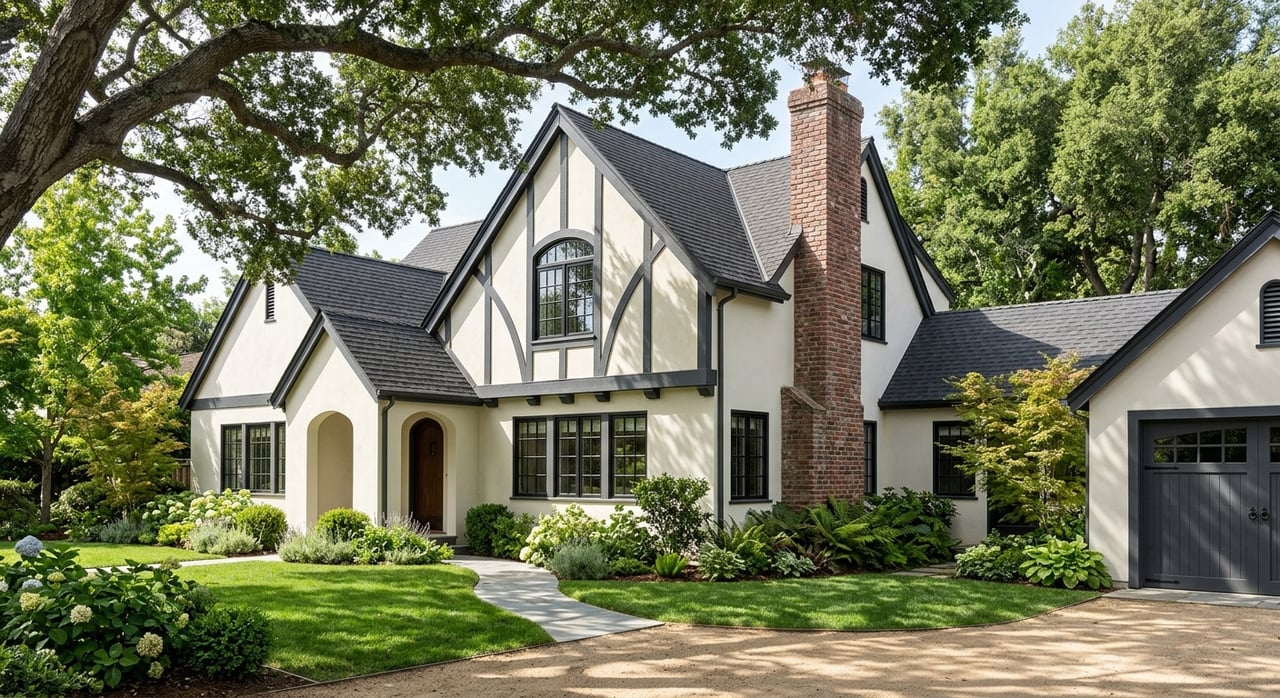
Housing character is another major point of separation. Lafayette describes itself as a classic Bay Area suburb with sprawling California ranch houses, hillside hideaways, and custom homes. Nearly 70 percent of the city’s single-family homes were built during the post-World War II boom, including many low-slung ranch homes in established neighborhoods.
That history gives Lafayette a more mixed housing pattern. You can see it in the combination of postwar ranch neighborhoods, hillside homes, and a more noticeable downtown condo and townhome presence. If you want variety in both setting and housing type, Lafayette tends to offer more of it.
Lafayette’s zoning also reflects a suburban lot pattern. In the R-6 district, newly subdivided lots must be at least 10,000 square feet, and each lot may contain a detached single-family dwelling. While that does not describe every property in the city, it supports the overall sense of space found in many Lafayette neighborhoods.
Orinda’s planning documents describe it as a nearly built-out residential community with low-density, low-rise single-family homes in the hillsides and compact low-rise development downtown. More than 60 percent of its roughly 6,300 residences were built between 1940 and 1970, and many are custom homes on hillside lots.
Current subdivision examples also show how strongly Orinda leans toward larger, landscape-heavy parcels. The Lavenida Lane subdivision includes lots ranging from about 54,518 to 81,128 square feet. Wilder places 245 home sites within 200 acres of a 1,500-acre plan area that includes more than 1,300 acres of open space.
Taken together, Orinda reads as more uniformly wooded and more consistently single-family in feel. If you are drawn to homes that feel set into the landscape, with hillside orientation and larger parcels in the mix, Orinda often delivers that experience more clearly.
| Feature | Lafayette | Orinda |
|---|---|---|
| Overall feel | More mixed suburban pattern | More consistently hillside residential |
| Common home character | Ranch homes, hillside homes, custom homes | Custom homes and low-density single-family homes |
| Downtown housing presence | More noticeable condo and townhome presence | More limited and compact downtown development |
| Lot pattern | Suburban lots with space | Larger, more wooded, landscape-heavy parcels in many areas |
Both cities appeal to buyers who value access to the outdoors, but they express it differently. Lafayette maintains six parks, borders Briones Regional Park, and reports more than 16 miles of hiking trails. Those include the Lafayette-Moraga Trail plus trails at the Reservoir and in Briones.
Lafayette Reservoir sits off Highway 24 and about a mile from the BART station. The city’s Aqueduct Pathway and BART bike-station project are designed to create safer connections between neighborhoods, downtown, and regional transit. That makes Lafayette feel especially strong if you want outdoor access woven into a neighborhood-to-downtown-to-transit network.
Orinda has its own strong trail identity. It was designated Trail Town USA in 1996, and its network includes the de Laveaga Trail starting downtown, the St. Stephen’s pedestrian and bicycle trail linking Orinda to Lafayette Reservoir, the EBMUD trail at Wagner Ranch, and the Wilder trail network.
The city also notes its adjacency to East Bay Municipal Utility District and Briones Reservoir trails. In everyday experience, Orinda can feel more like a hillside-open-space community where trail access is built into a quieter residential setting. That may especially appeal if you want the landscape to feel like a defining part of where you live.
The right answer usually comes down to routine, not ranking. Both communities offer BART service, outdoor access, and established residential character. The difference is in how those pieces come together day after day.
Choose Lafayette if you want:
Choose Orinda if you want:
If you are relocating, upsizing, or trying to narrow your East Bay search, this is where local guidance matters. A map view can only tell you so much. What really helps is comparing how each place supports the way you want to live, commute, and spend your weekends.
When you are ready to talk through Lafayette, Orinda, or other East Bay options, the Estela Sallat & Michael Perry Team can help you evaluate the details with clarity and a calm, local perspective.
Stay up to date on the latest real estate trends.
Whether you’re buying your first home or listing a cherished property, Sallat & Perry Group brings unmatched East Bay insight and a personalized strategy to every transaction.