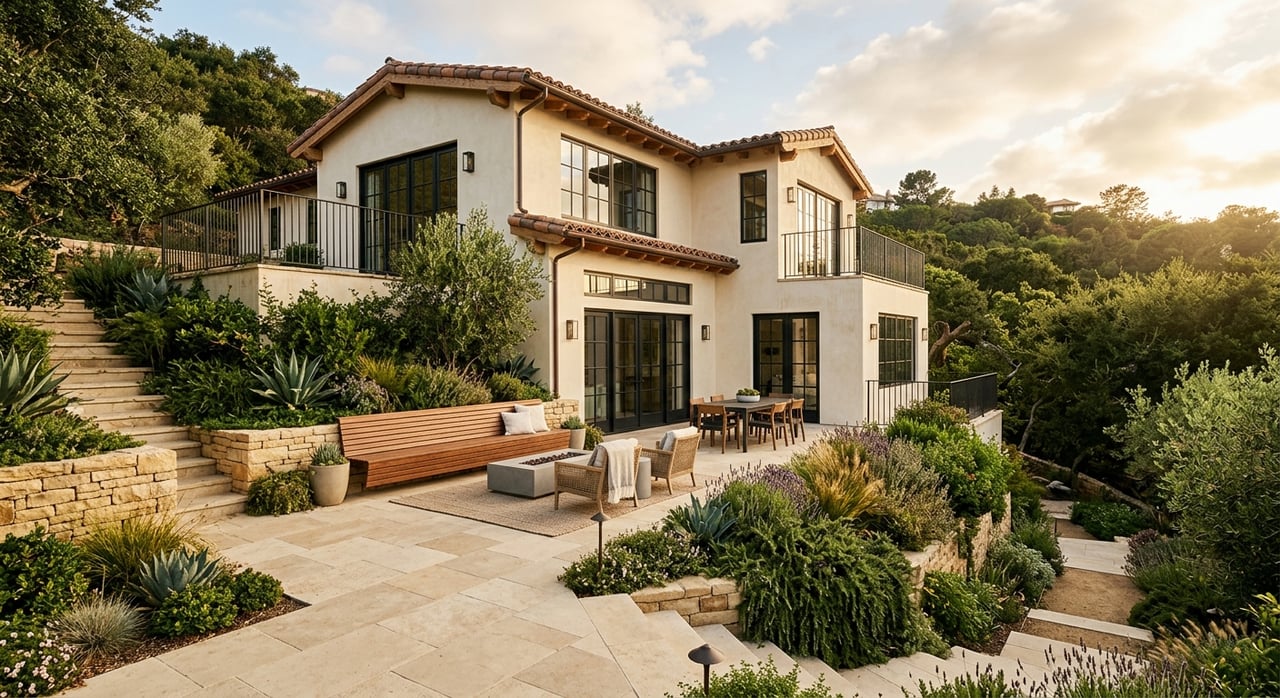
Kensington View Homes: What Buyers Should Understand
May 14, 2026
May 14, 2026
If a listing in Kensington says “view home,” it can mean very different things from one property to the next. In this hillside Contra Costa County community, views are highly site-specific, and what you actually see from the main rooms can matter far more than a marketing phrase. If you are considering buying here, understanding how topography, trees, privacy, light, and local rules all shape value can help you make a smarter decision. Let’s dive in.
Kensington is an unincorporated Contra Costa County community next to Berkeley and El Cerrito, and county materials describe it as a hillside area with small lots, high density, and a largely built-out residential pattern. That setting makes the idea of a “view home” more nuanced than it might be in a flatter neighborhood.
Local policy also treats views as an important part of the community. Contra Costa County’s Kensington policies call for protecting views of scenic natural features such as the bay and mountains, as well as parts of the built environment like bridges and city skyline views.
In Kensington, a view is defined broadly in local planning materials. It can include a distant or panoramic scene from a habitable room, including skylines, bridges, distant cities, ridges, wooded canyons, hillside terrain, and bodies of water.
That means you should look closely at what is visible from the spaces where you will actually spend time. A home may have a partial, filtered, or panoramic outlook, and that difference can shape both your day-to-day experience and long-term value.
Start with the rooms that matter most in daily life. Look at the view from the living room, kitchen, dining area, and primary bedroom, not just from a deck corner or one window.
A strong view from a secondary space may still be appealing, but it is not the same as a broad outlook from the main living areas. In Kensington, that distinction can be especially important because the terrain creates many different sightlines on the same block.
Some homes offer the best views from interior rooms, while others rely more on decks or terraces. On steep lots, outdoor living space may be shaped by retaining walls, level changes, and hillside access, so the best-use areas are not always obvious at first glance.
As you tour a property, ask yourself whether the outlook works for how you actually live. If you want daily visual connection to the bay, hills, or skyline, make sure the home delivers that from the spaces you will use most often.
Not every view is wide open. Some homes have filtered outlooks through mature trees, while others have more open sightlines across rooftops or over descending terrain.
A filtered view can still be beautiful, but it may change with the seasons, future tree growth, or nearby landscaping. That makes it worth looking carefully at both the current condition and how the view may evolve over time.
Kensington has its own planning ordinance that pays close attention to size, privacy, light, and view protection. County policy for the area also calls for review of new residential development with attention to views, design compatibility, parking, privacy, and access to sunlight.
For you as a buyer, that means the lived experience of a home is about more than square footage. Orientation and placement on the lot can influence how bright, open, and private a property feels.
Rooms facing open sky or a broad outlook may feel brighter and more private than rooms looking directly toward uphill neighbors, trees, or nearby roofs. In other cases, a tree-shaded lot may offer more privacy and cooler interiors, but less direct light.
This is one reason two homes with similar size and price can feel completely different in Kensington. The hillside setting changes how sunlight, sightlines, and neighboring structures interact with each property.
Trees are a major part of the visual character of Kensington, but they can also affect long-term views. Contra Costa County has a Kensington Tree Obstruction of Views ordinance that provides a private-party process for resolving disputes when trees grow and block a view.
There is an important limitation for buyers. The county states that this ordinance does not cover a view that was already obstructed when you acquired the property.
That means you should not assume a current tree-related view issue can be resolved after closing. If trees already block a key outlook when you buy, that condition may simply be part of the property you are purchasing.
It is also important to know that the tree ordinance is separate from the planning ordinance that addresses view blockage from building construction. In practical terms, both trees and structures can affect your outlook, but they are handled through different local rules.
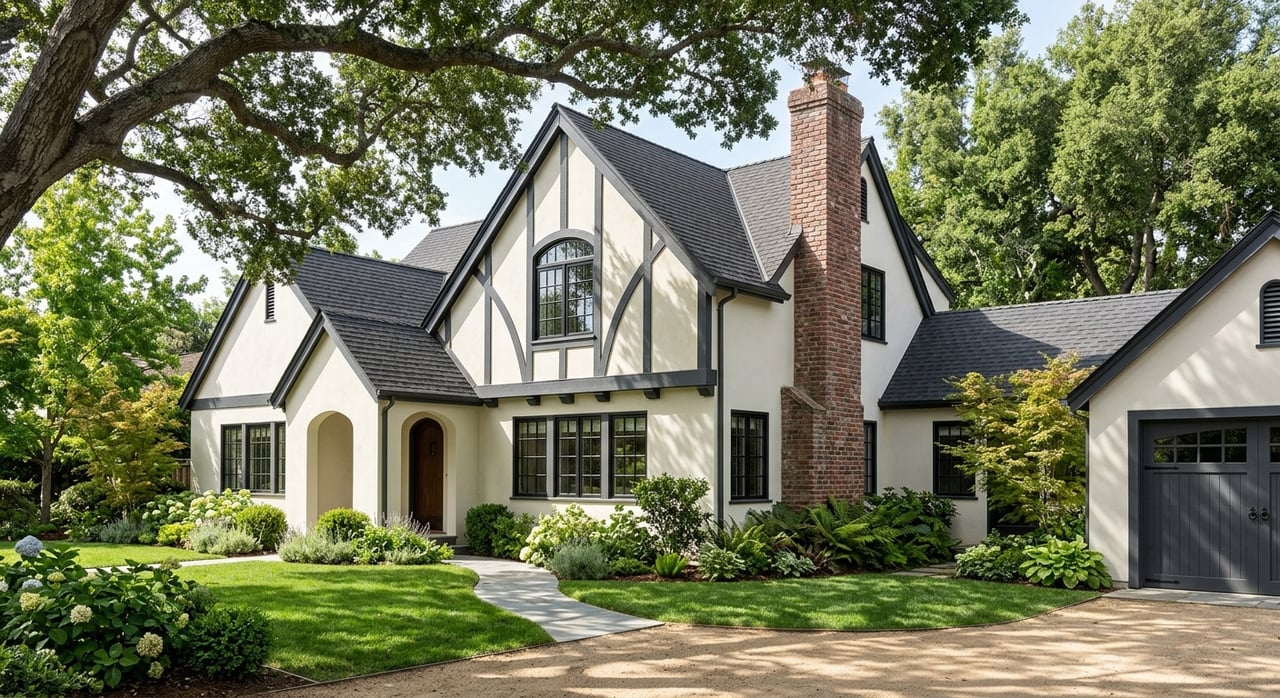
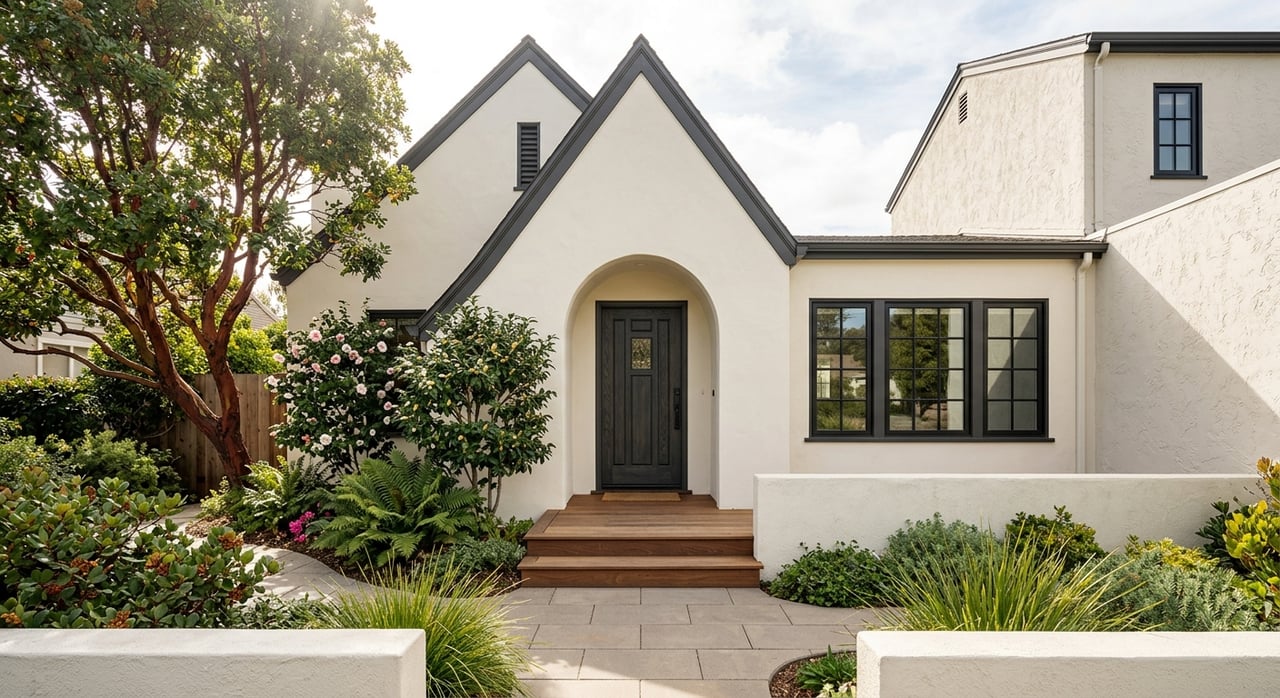
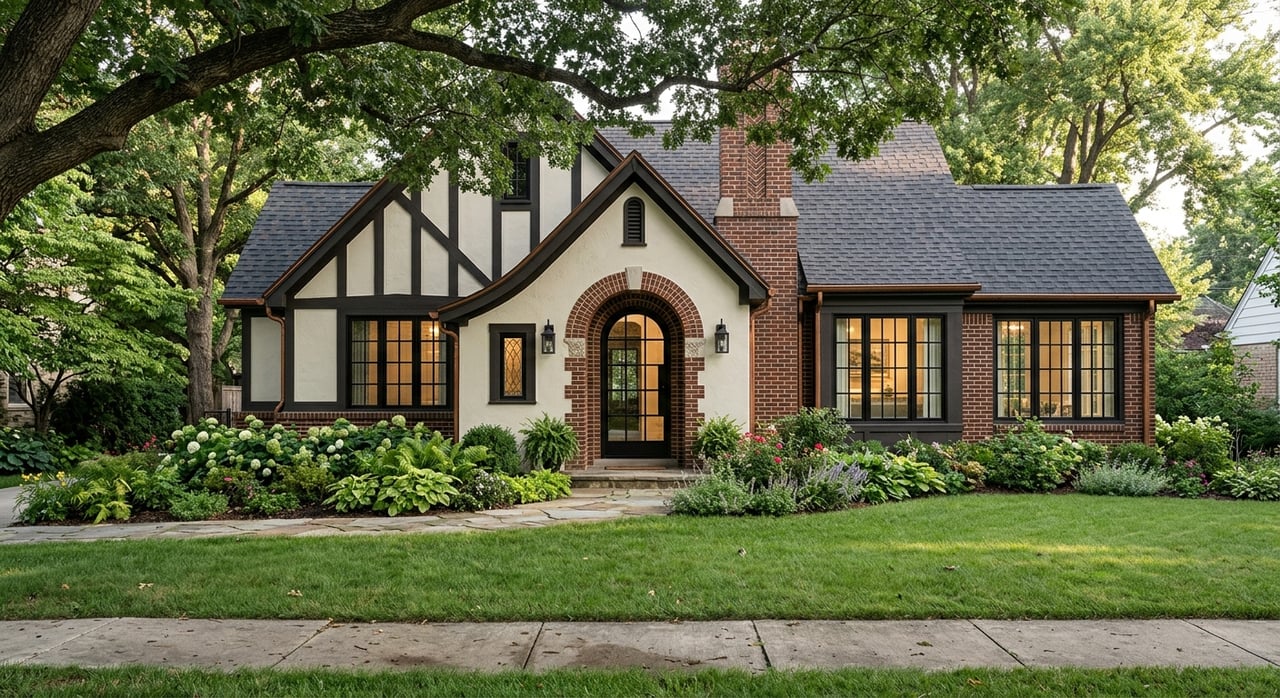
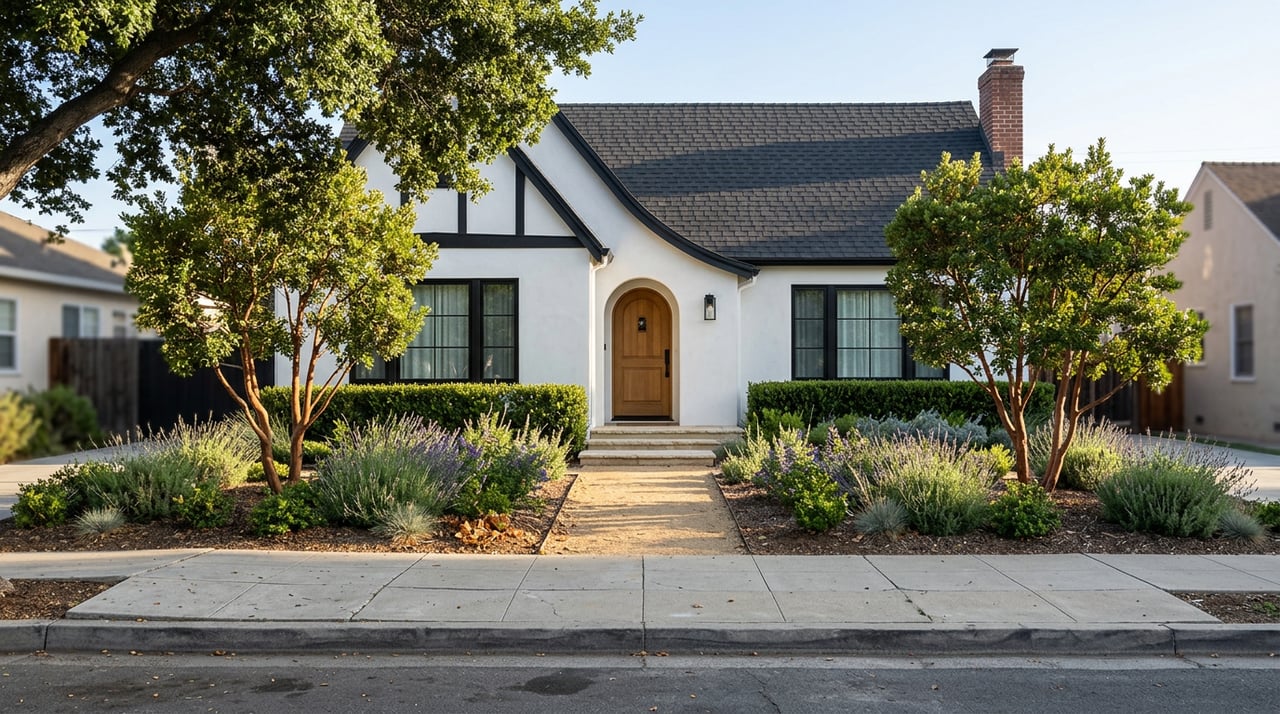
Kensington is not a one-style housing market. A county staff report for a local design review described surrounding homes with a varied pattern that included Mediterranean, Bungalow, Craftsman, shingle style, and contemporary architecture.
The same report noted one-, two-, and some three-story homes in steep terrain. That mix is part of what makes Kensington visually interesting, but it also means buyers should evaluate how each home’s design responds to its lot.
On a hillside parcel, massing, rooflines, window placement, and floor stacking can all influence the feel of a property. The same amount of square footage may live very differently depending on whether it is spread across the site or arranged vertically.
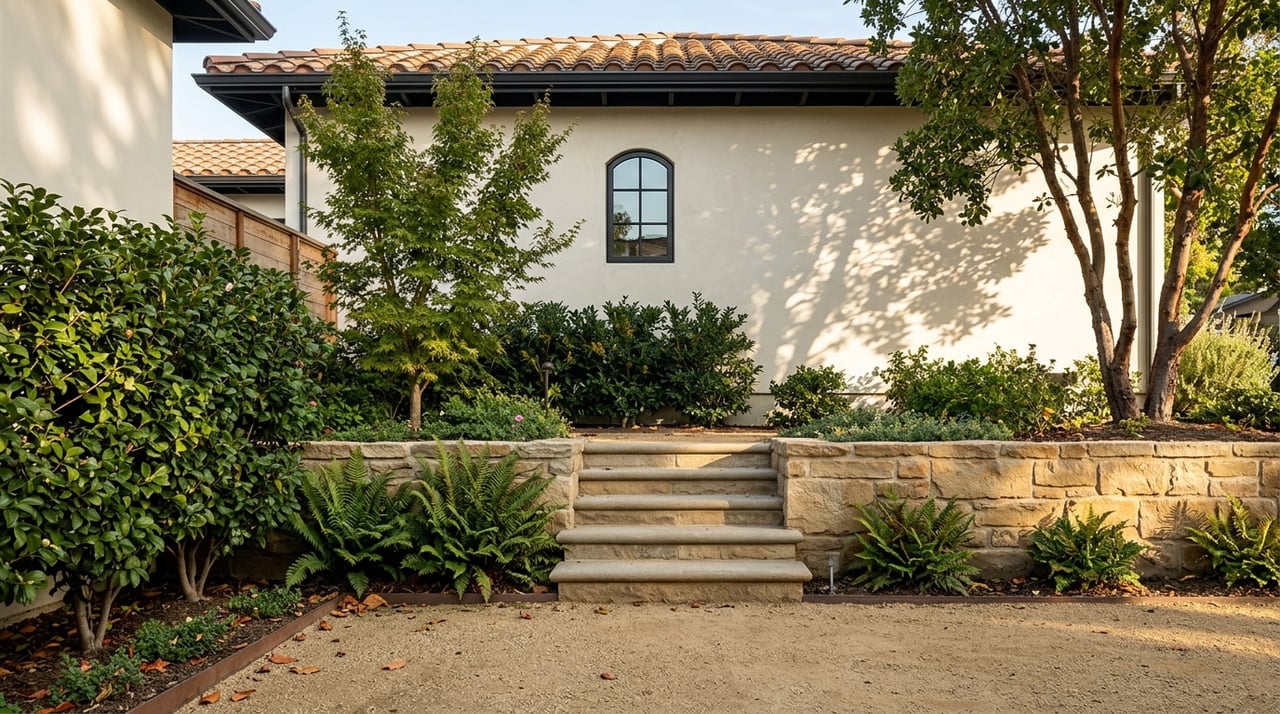
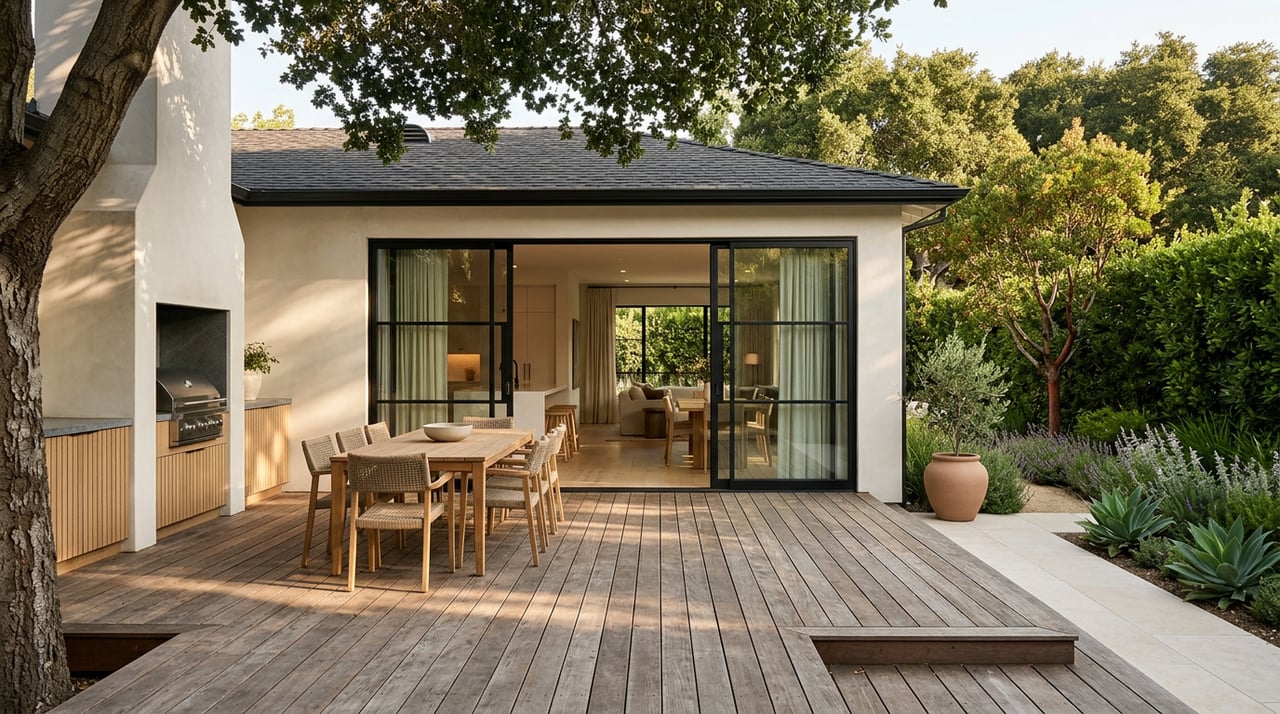
Outdoor space can also look different here than in flatter neighborhoods. Instead of a large flat backyard, you may find decks, terraces, stepped gardens, and retaining walls that create functional outdoor areas in a more layered way.
If you are buying with future plans in mind, Kensington’s design and permit framework deserves close attention. County guidance states that most projects require permits, including additions, decks, retaining walls, foundation repairs, ADUs, solar, and other exterior or site changes.
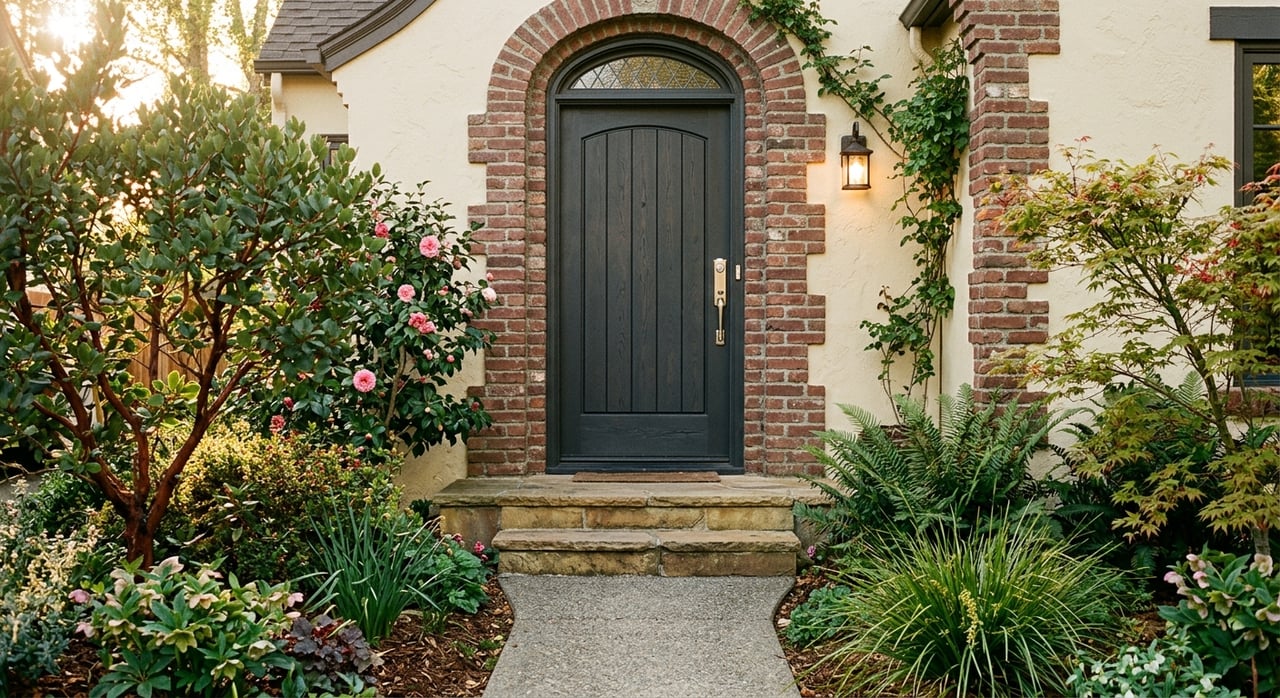
Kensington also has local compatibility standards. County ADU guidance for the area says exterior appearance must be architecturally compatible with the primary dwelling or surrounding neighborhood, including style, colors, materials, trim, windows, and roof design.
For some projects, Kensington-specific design review may apply even when the work seems straightforward. That means the future flexibility of a property is not just about lot size or current condition. It is also about how easily you may be able to make changes under local review standards.
If expansion potential is part of your buying decision, it is wise to verify the likely permit or design-review path before you get too attached to a future plan.
When you buy a Kensington view home, the house itself is only part of the equation. The site conditions matter just as much.
Kensington hazard planning identifies steep terrain and narrow roadways that can affect evacuation and daily access. The Kensington Fire Protection District annex also identifies the entire district as lying within a Very High Fire Hazard Severity Zone and notes wildfire, landslide, and earthquake vulnerabilities, with the Hayward Fault running through a significant portion of the district.
None of that means you should avoid the area. It does mean you should approach hillside buying with clear eyes and a thorough inspection strategy.
Slope stability is strongly tied to water management. California’s Office of Emergency Services states that excess water is often the single most important factor in slope failure, and it notes that over-irrigation, broken sprinkler pipes or water mains, leaky pools, septic tanks, and ponding can contribute to slope saturation.
For a buyer, this makes drainage more than a maintenance detail. You will want to pay close attention to irrigation, runoff patterns, retaining walls, and the condition of uphill and downhill slopes.
A dramatic hillside setting can be beautiful, but practical access matters. Review driveway grade, street width, parking access, and how easy it feels to enter and exit the property.
Also consider how the lot works in everyday life. A steep site may affect deliveries, outdoor use, maintenance routines, and future improvement costs.
During disclosures and inspections, ask whether geotechnical, seismic, wildfire-hardening, or utility-hardening work has already been completed. This can help you understand both the property’s current condition and what additional investment may be needed after closing.
For many buyers, this information is just as valuable as cosmetic updates. A renovated kitchen is nice, but site stability, drainage, and safety improvements often have bigger long-term impact.
As you tour homes and move into inspections, keep this checklist in mind:
In a neighborhood like Kensington, details that seem secondary at first can become central once you own the home. Taking the time to evaluate the site, the outlook, and the local rules can help you buy with more confidence.
A Kensington view home can offer a remarkable daily experience, but the best purchase is the one that matches your priorities clearly and holds up under careful review. If you want help evaluating hillside properties, comparing outlook quality, and understanding how local constraints may affect your options, the Estela Sallat & Michael Perry Team can guide you with clear, responsive East Bay expertise.
Stay up to date on the latest real estate trends.
Whether you’re buying your first home or listing a cherished property, Sallat & Perry Group brings unmatched East Bay insight and a personalized strategy to every transaction.