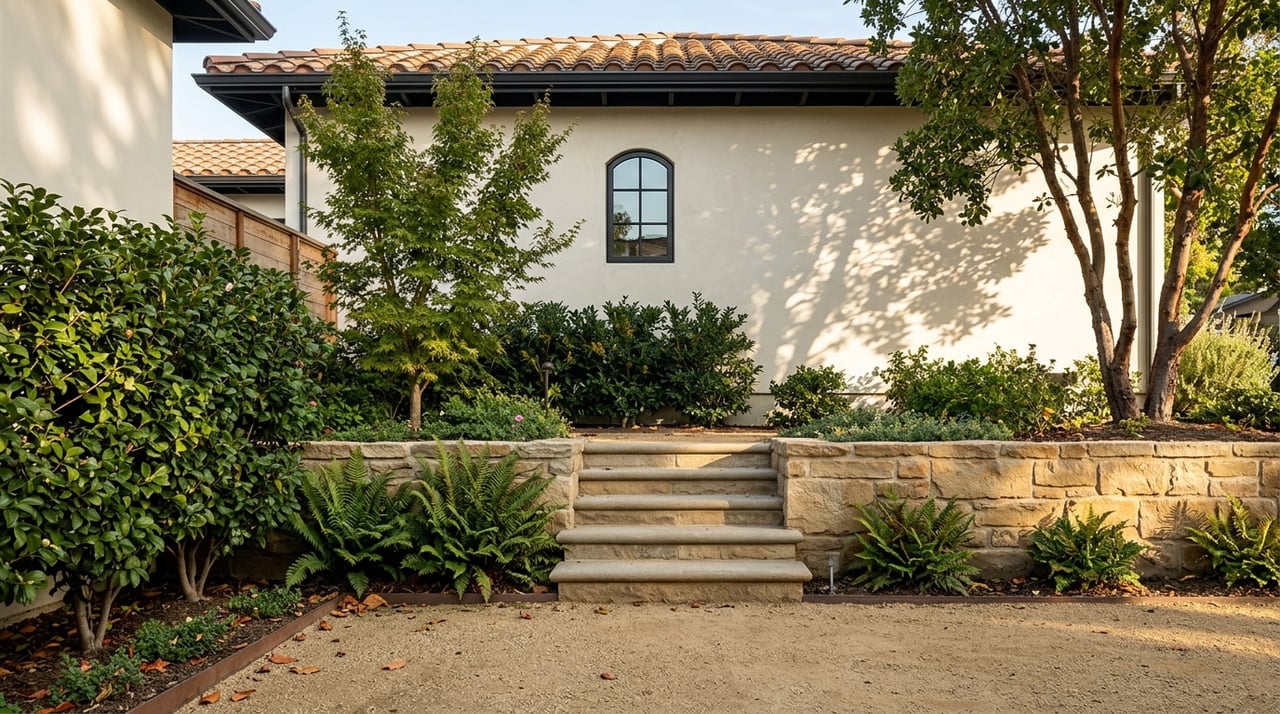
Piedmont Architecture And Lots: A Buyer’s Quick Guide
April 16, 2026
April 16, 2026
Shopping in Piedmont can feel simple at first glance. The homes are beautiful, the streets are tree-lined, and many properties have a timeless East Bay look. But once you look closer, architecture, lot shape, slope, setbacks, and design rules all start to matter. If you want to buy with confidence, it helps to know what those details usually signal and how they may affect daily living and future changes. Let’s dive in.
Piedmont’s residential character is closely tied to its topography, mature tree canopy, street pattern, and historic housing stock. According to the City of Piedmont Design and Preservation Element, more than 70% of the city’s homes were built before 1940.
That older housing base shapes what you see block to block. The city treats Piedmont as a neighborhood conservation district, with design review and zoning that reflect prevailing architectural styles and neighborhood context. For you as a buyer, that means the home’s fit with its site and surroundings can matter just as much as square footage.
The city organizes Piedmont into five broad neighborhood typologies. These categories are useful because they help you quickly connect a home’s style, lot pattern, and likely living experience.
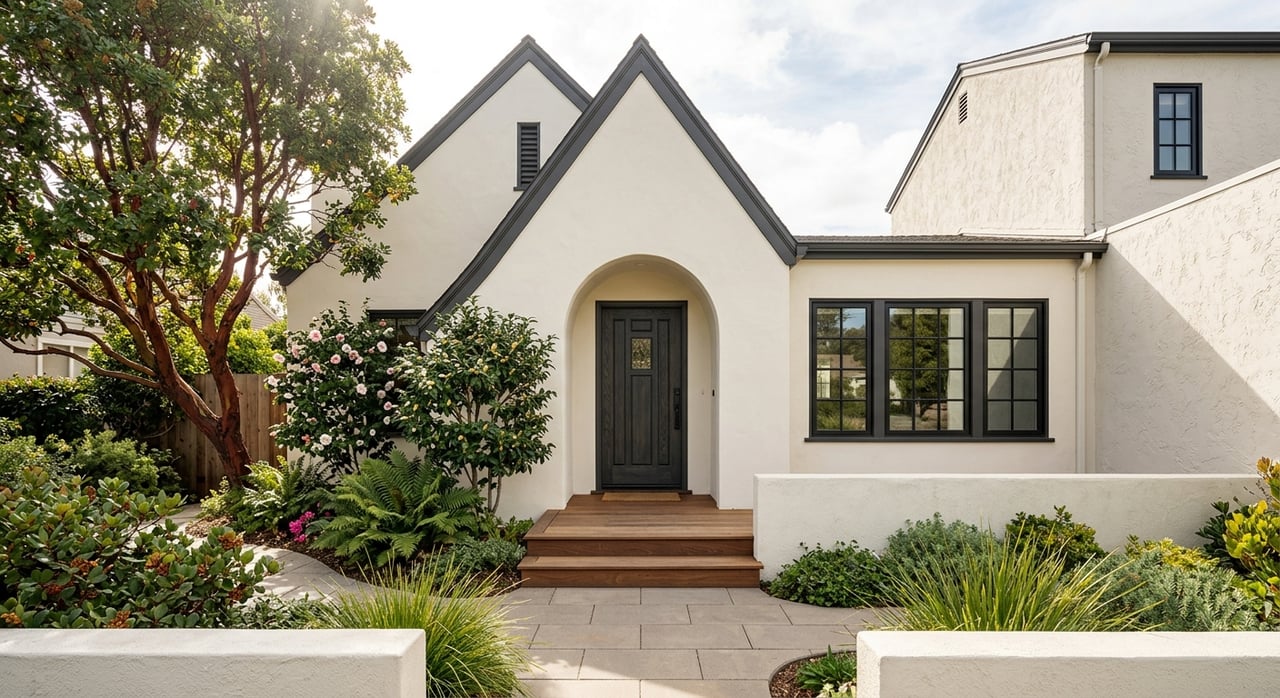
West of Grand Avenue, you will often find bungalow and cottage neighborhoods with lots under 5,000 square feet. These homes can offer charm and efficient use of space, but the lots are generally more compact.
If you are comparing outdoor space, parking, or expansion potential, this smaller-lot pattern is important to keep in mind. A cute footprint may come with tighter setbacks and less room to rework the site later.
The city identifies streetcar suburbs as the dominant neighborhood type. These areas largely developed from incorporation through 1930 and usually include lots from 5,000 to 15,000 square feet.
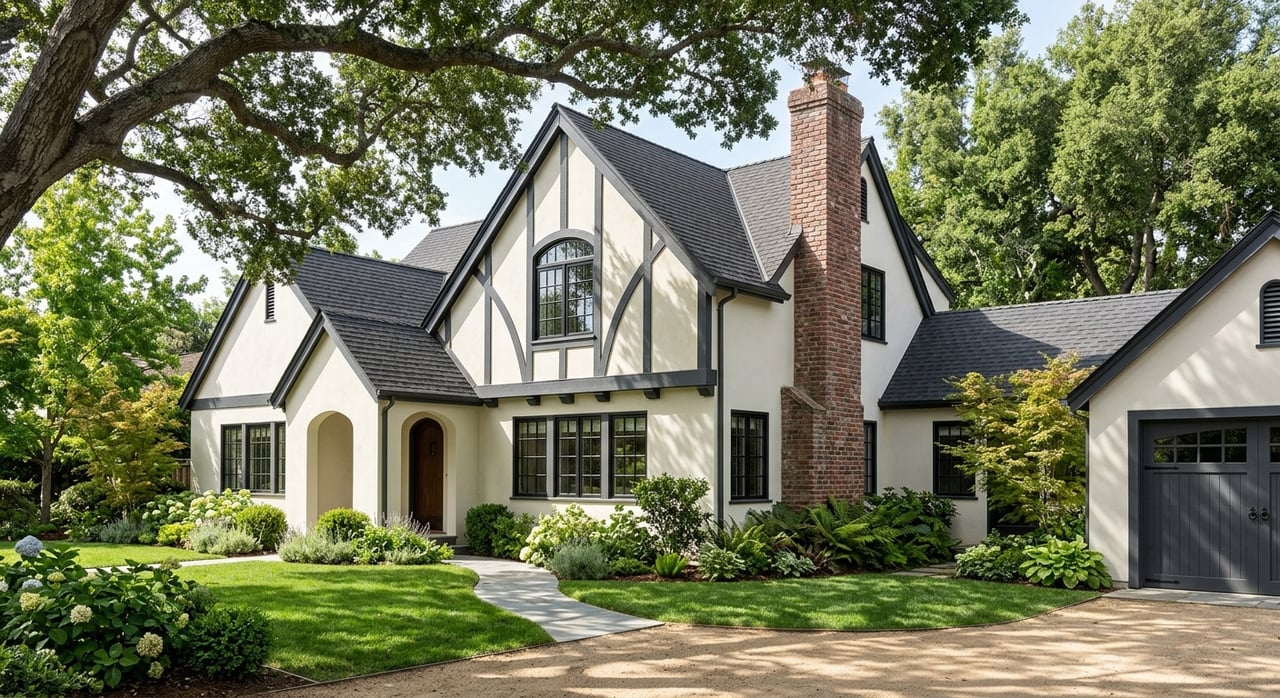
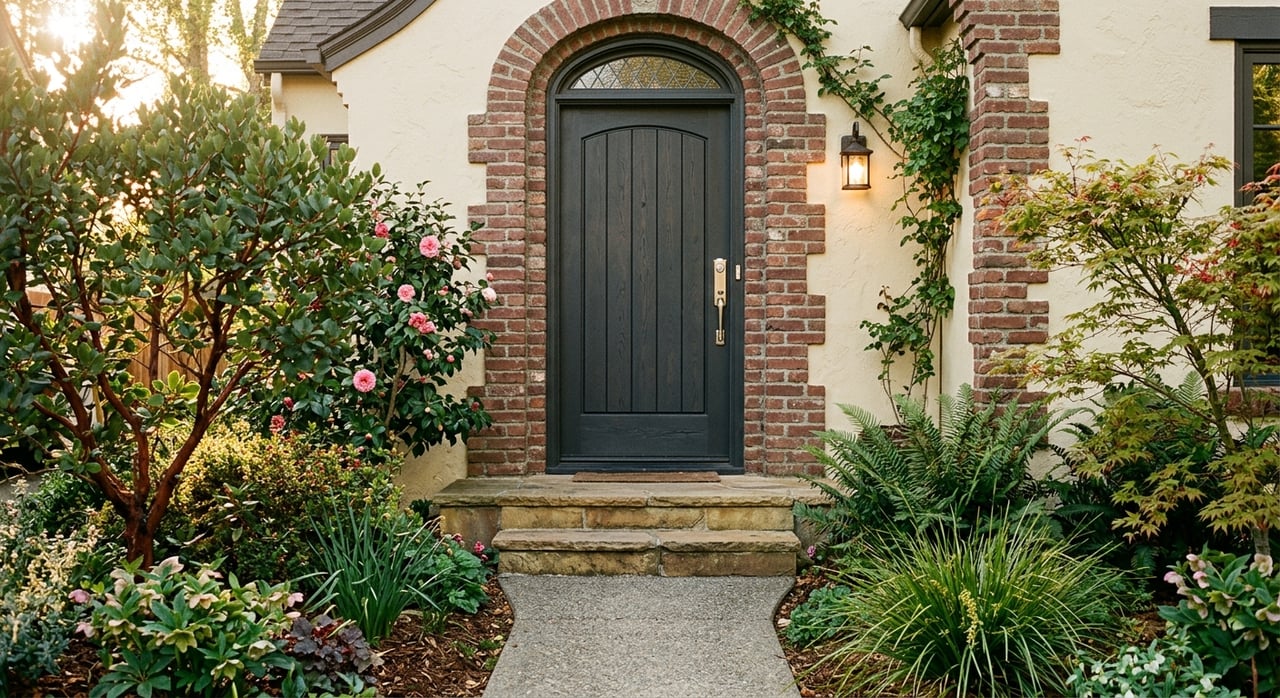
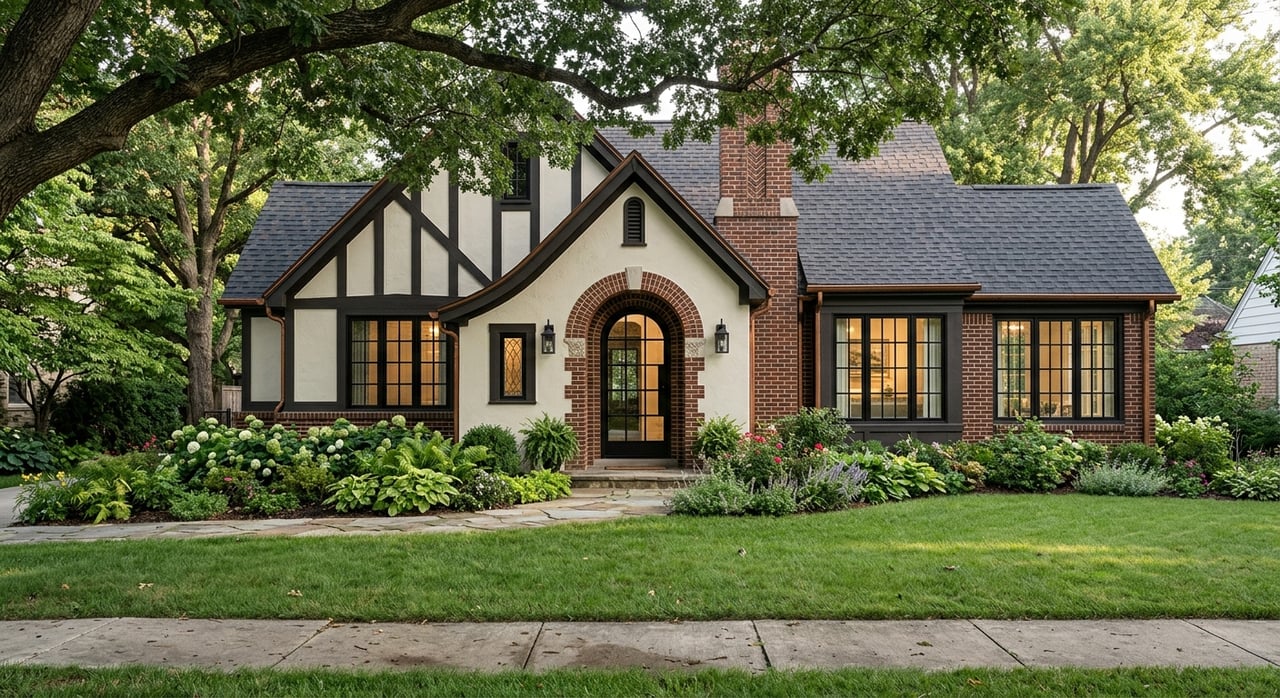
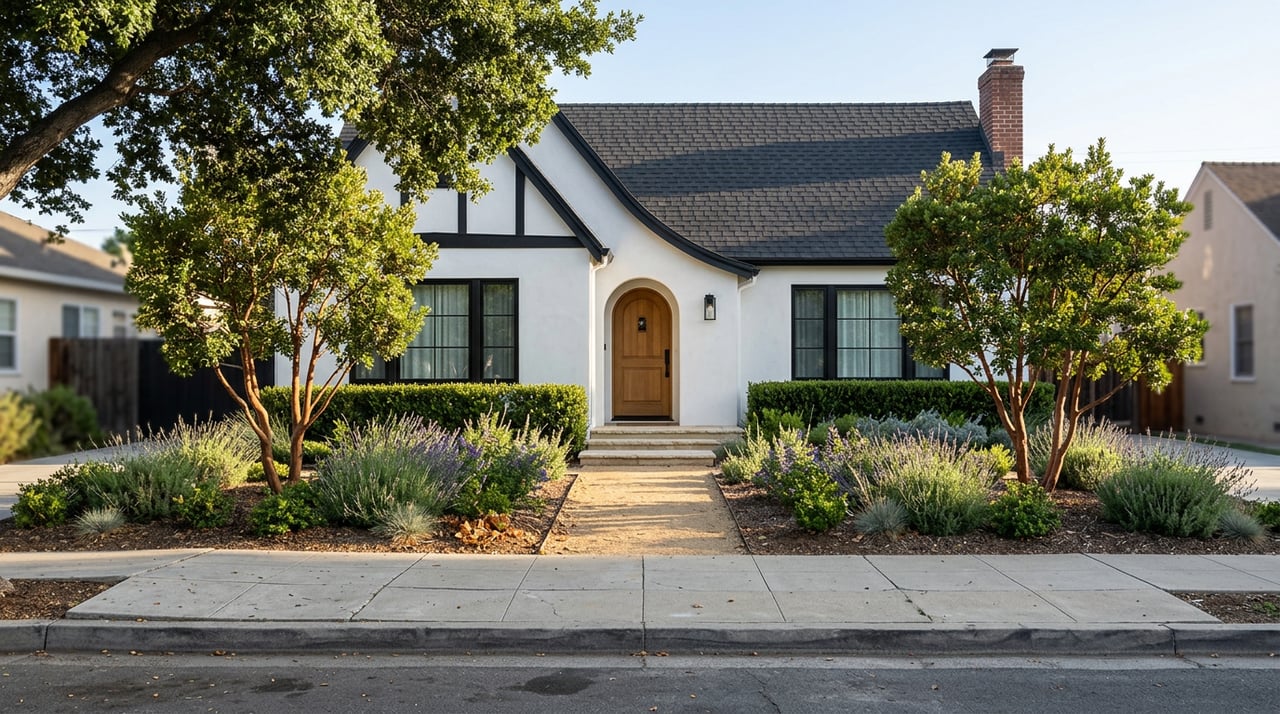
You may see Mediterranean Revival, Brown Shingle, Tudor, Prairie Style, and Colonial Revival homes here, along with early Victorian, Bungalow, American Foursquare, and Craftsman examples. In many cases, these blocks offer the classic Piedmont look buyers picture first.
Estate areas tend to sit on larger wooded lots, often more than half an acre. These properties can feel more tucked away, with larger setbacks, long driveways, and more landscape management.
Most estate homes are generally found in Zone E. If you are drawn to privacy, mature grounds, or a more expansive site, these homes may stand out, but site upkeep and future project review may also become a bigger part of ownership.
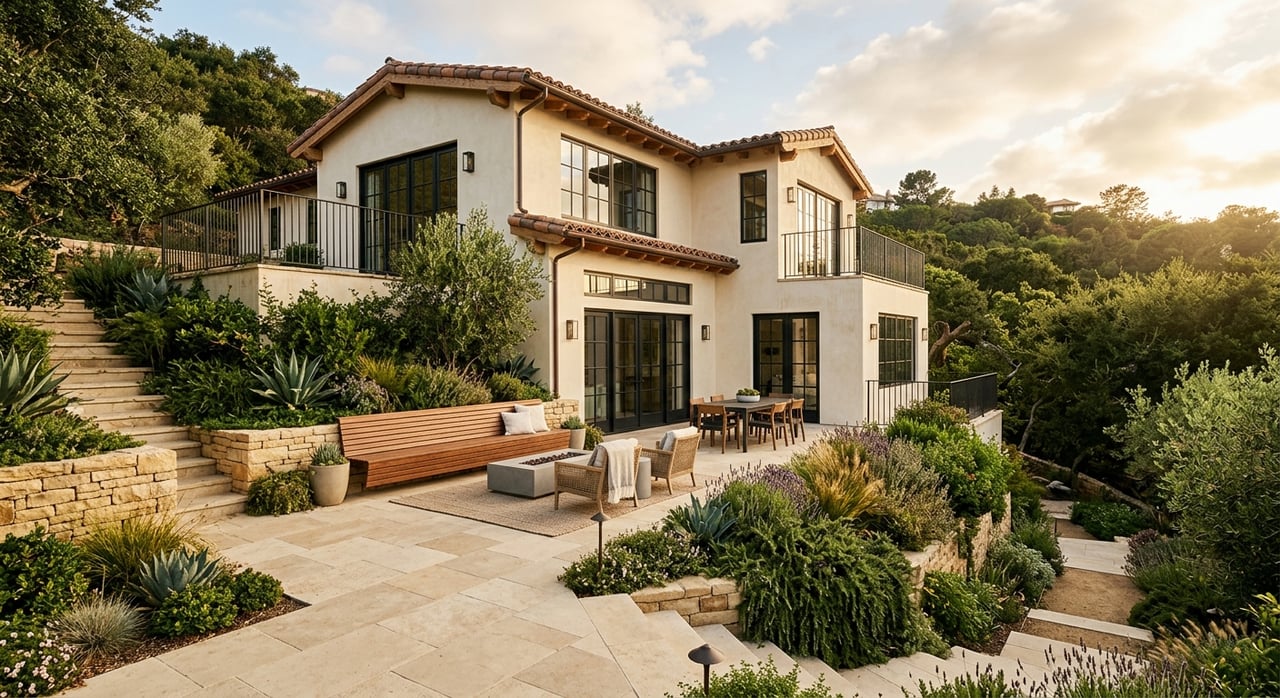
Hillside areas often have steep slopes, winding streets, and multi-level homes. These sites can offer dramatic positioning and layered outdoor spaces, but they usually require a more careful read.
The city’s design guidance encourages homes on steep sites to follow the contour of the slope and break larger forms into smaller elements. For you, that often translates into more stairs, terraced yards, retaining walls, and site-specific landscaping than you would find on flatter blocks.
Piedmont also includes mid-century areas with more contemporary California ranch houses and open plans. If you prefer a different layout from older traditional homes, this can be an appealing category to watch.
These homes may feel more casual in flow, but lot conditions and local design standards still matter. In Piedmont, no property is really a blank slate.
Most single-family homes in Piedmont are in Zone A. The city says more than 95% of single-family homes are in Zone A, while fewer than 5% are in Zone E, and the zoning ordinance overview notes that 85% of residential land area is in Zone A.
Within Zone A, 78% of lots are smaller than 10,000 square feet. That is helpful context when you are touring homes and wondering whether a yard, side setback, or building envelope is typical for the city or unusually limited.
Here is a quick way to think about lot patterns:
| Lot pattern | What it often suggests |
|---|---|
| Under 5,000 square feet | More common in bungalow and cottage areas west of Grand |
| 5,000 to 15,000 square feet | Common in streetcar suburb neighborhoods |
| More than half an acre | More typical of estate neighborhoods |
| Steep or irregular lots | More common in hillside settings |
A few visual cues can tell you a lot before you even visit a property. Based on the city’s neighborhood typologies and hillside guidance, deep front yards, detached rear garages, and more modest street frontage often suggest older streetcar suburb blocks.
Compact cottages and bungalows are more likely to sit on smaller west-of-Grand lots. If you see terraces, long driveways, or visible retaining walls, that usually points to a hillside site and a more complex lot condition.
Corner lots can also read differently in person than they do online. The city generally discourages front-yard enclosure except in limited circumstances and encourages landscaping rather than fencing to create privacy in exposed front yards and corner settings. That means privacy solutions may rely more on planting and site design than on hard barriers.
In Piedmont, a vacant parcel is not always a simple opportunity. The city’s Housing Element says there were fewer than 60 vacant lots citywide, and many are constrained by steep slopes or inadequate street frontage.
Some lots are owned by adjacent owners and function more like side yards or gardens. The same report notes that some parcels are landlocked, may require easements or lot-line adjustments, and can be limited by awkward shape, small size, or topography.
If you are considering a property for future expansion or new construction potential, this is where surface impressions can be misleading. A lot that looks open on paper may still have practical or regulatory hurdles.
Piedmont’s design policies place real value on yard quality and site composition. The city says residential yards help create its park-like image and cautions against overbuilding or covering yards with too many structures.
Landscaping is not treated as an afterthought. The city encourages planting to soften buildings, frame desirable views, screen less desirable views, and support an attractive streetscape. For buyers, that means outdoor areas are often part of the home’s overall appeal and long-term value, not just leftover space around the house.
Setbacks, garages, porches, and driveways are part of neighborhood character in Piedmont. The city asks new or remodeled buildings to respect prevailing setbacks, and it encourages garages, decks, and porches to complement the main residence and nearby homes.
Driveways should also minimize grading, paving, and tall retaining walls. So when you tour a property, look beyond the house itself and notice how the site is arranged. In Piedmont, layout choices often reflect both design priorities and regulatory limits.
Privacy and views are explicit design review issues in Piedmont. The city’s design review standards require little or no effect on neighboring properties’ views, privacy, and access to direct and indirect light.
The city also calls for maintaining significant view corridors and preserving privacy through window siting and landscape design. If you are buying with future renovation plans in mind, this is a key point. A project that seems straightforward may still need careful design to address neighboring properties.
Piedmont is not a laissez-faire remodel market. Many projects require design review before a building permit, and the standards focus on consistency with the General Plan and Design Guidelines, impacts on neighbors, and pedestrian or vehicular safety.
That does not mean improvements are off the table. It means architectural fit, lot shape, and site conditions matter early, before you assume what can be added or changed.
In Zone A, development is subject to rules for setbacks, height, lot coverage, hardscape surface, and floor area ratio, according to the city’s Housing Element. The city says these standards help maintain neighborhood scale and discourage teardowns.
For you, that makes a listing’s current configuration especially important. A home with an awkward footprint, a heavily used lot, or an existing nonconforming condition may offer less renovation flexibility than its lot size alone suggests.
The city has also announced proposed Objective Design Standards for new housing construction, including new single-family homes and residential projects up to four units, while updating standards for ADUs, multi-family, and mixed-use development.
The city says the draft is intended to create clear, measurable rules for articulation, massing, driveways, and window placement without dictating a specific architectural style. If you are buying with a long timeline in mind, it is smart to understand that Piedmont continues to refine how new residential projects are reviewed.
ADUs are a good example of why details matter. The city’s ADU regulations say nonconforming homes can still add an ADU, even though many homes were built before current design standards.
Detached or attached ADUs must follow city design standards. Detached units over 800 square feet generally must meet lot coverage, landscape coverage, and FAR limits, and new single-family buildings and detached ADUs must be all-electric.
If an ADU is part of your plan, the right question is usually not just “Is there room?” It is also “How does this lot, this house, and this zoning context affect what is realistic?”
In Piedmont, architectural quality and lot usability often matter more than raw lot size alone. That is the practical takeaway from the city’s scarcity of vacant land, preservation-oriented design framework, and strong zoning controls.
As you evaluate homes, pay attention to a few core questions:
The more clearly you can answer those questions, the better your buying decision is likely to be.
Buying in Piedmont often means balancing charm, site conditions, and long-term flexibility. If you want thoughtful guidance on how a home’s architecture and lot may affect value, livability, and future options, the Estela Sallat & Michael Perry Team can help you evaluate the details with clarity and confidence.
Stay up to date on the latest real estate trends.
Whether you’re buying your first home or listing a cherished property, Sallat & Perry Group brings unmatched East Bay insight and a personalized strategy to every transaction.