What It’s Like To Live In North Berkeley Bungalows
February 5, 2026
February 5, 2026
Picture yourself on a tree-lined street, coffee in hand, waving to neighbors from a wide front porch. That is a typical morning in North Berkeley’s bungalow pockets, where short blocks, local shops, and pocket parks make daily life feel easy. If you are curious about these classic homes and the lifestyle they support, you are in the right place. In this guide, you will learn what daily life looks like, how these homes are built, the trade-offs to consider, and practical steps to buy or sell with confidence. Let’s dive in.
North Berkeley is a collection of cozy neighborhoods north of downtown and the UC Berkeley campus. Locals often use the term to describe areas around Solano Avenue, North Shattuck’s Gourmet Ghetto, Northbrae, and Thousand Oaks. Exact boundaries vary by source, so always confirm details for schools, transit, and permits by address. What stays consistent is the village-like feel and active street life.
You will find mature street trees, period homes, and a steady flow of people walking to cafes, markets, and neighborhood services. It is common to meet neighbors on front porches or at playgrounds, and to plan weekends around short drives or bike rides to parks in the hills. Many households find that simple errands happen on foot, which changes the pace of life in a good way.
Two corridors anchor daily life. Solano Avenue offers bakeries, cafes, grocery options, and everyday services that make it easy to run errands without a car. North Shattuck’s Gourmet Ghetto is known for independent restaurants and specialty food shops that draw visitors from across the Bay. Between these corridors and smaller clusters along the side streets, you can often work a full list of errands into a pleasant walk.
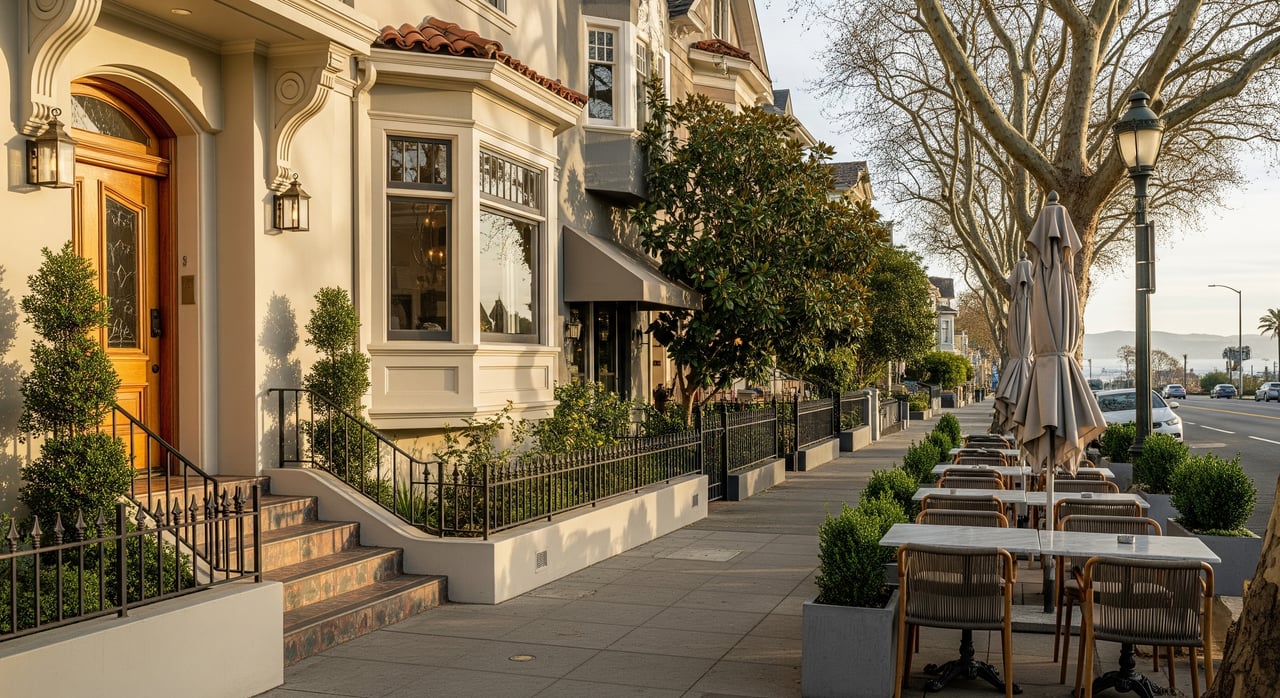
Sidewalk life is part of the draw. Outdoor seating, weekend markets, and neighborhood gatherings add a social rhythm to the week. Many residents plan coffee walks, quick lunches, or after-school treats into their routine because these spots are close by and easy to reach.
Parks are woven into the area, with playgrounds and pocket parks that serve as informal hubs for families and neighbors. For weekend hikes and bigger views, the Berkeley Hills and Tilden Regional Park are a short drive. The Berkeley Rose Garden and Codornices area sit just uphill and offer scenic paths, tennis courts, and picnic spots. Access to varied green space means you can choose quick fresh-air breaks or full trail days without a long commute.
You have multiple ways to get around. BART stations and AC Transit bus routes serve Berkeley and connect to Oakland and San Francisco. Cycling is common for short trips, and local bike routes make it practical for errands or to reach transit. Some households rely mainly on BART and buses, others drive, and many mix biking with transit. Since daily needs are often within walking distance, you may find you take fewer car trips overall.
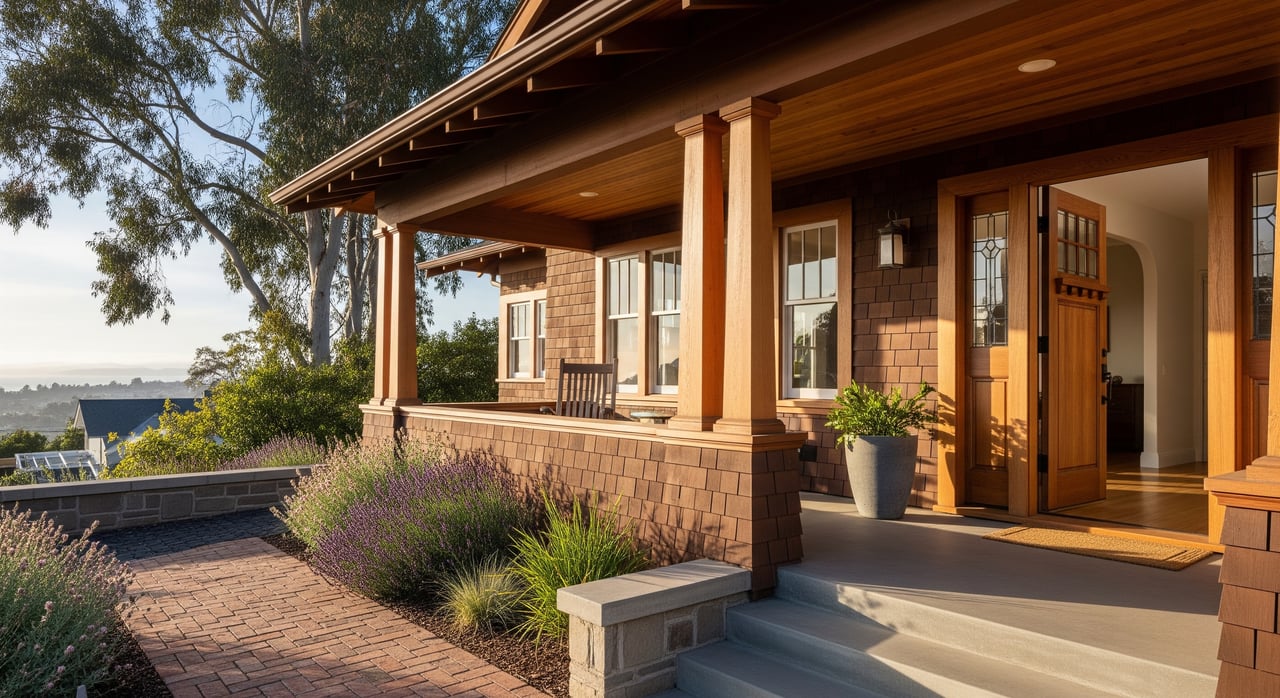
Most North Berkeley bungalows date from the early 1900s through the 1930s. You will see hallmark Craftsman elements like low-pitched gables, deep eaves, exposed rafters, and generous front porches with sturdy, tapered columns. Inside, period details often include built-in bookcases or window seats, distinctive trim and woodwork, and original hardwood floors that shine when restored.
These homes began as modest single-family residences and have been updated over the decades. Many keep their period character at the front and incorporate modern improvements in the kitchen, baths, or behind-the-walls systems. The best examples balance original charm with today’s functionality.
Most original bungalows offer a single main level with one to three bedrooms and one bathroom. The living room often sits at the front with a fireplace, followed by a dining room or dining area, and a compact kitchen at the back. Some larger Craftsman-era homes add a second bath, and many properties have finished attics, basements, or rear additions completed over time.
Expect modest square footage compared with newer suburban homes. That can be a benefit if you prefer less to maintain and a more efficient layout. If you need more room for a home office or a second suite, look for thoughtful expansions or homes with potential to rework internal spaces.
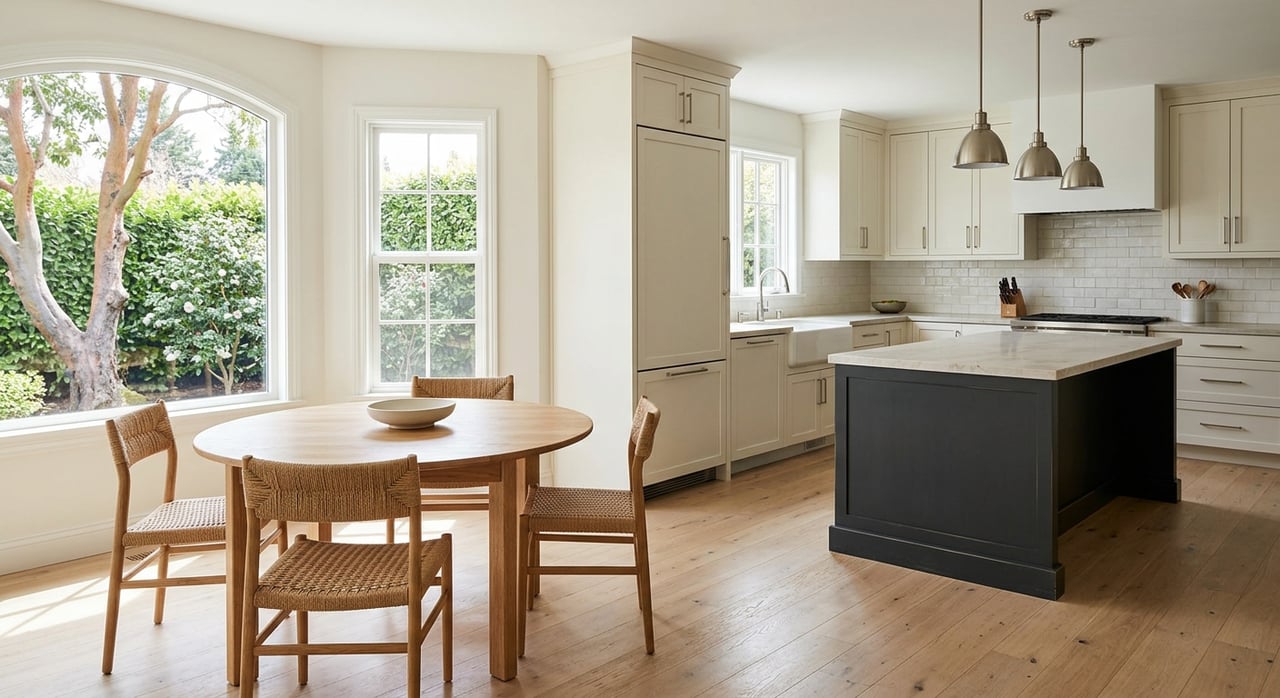
Older wood-frame houses require attention to systems and structure. Common update areas include electrical panels and wiring, plumbing supply and drain lines, and energy improvements such as insulation or double-pane windows. Kitchens and bathrooms are frequent remodel targets, whether you prefer a period-correct restoration or a clean, modern look.
Seismic safety is a priority for many buyers of pre-war homes. Wood-frame houses on older foundations often benefit from bolting and bracing. It is smart to have specialist inspections for the foundation, roof, drainage, electrical, and plumbing. If you plan larger changes, check permit history and current requirements through the City of Berkeley, especially if a property sits in or near a historic district.
Lots are typically urban in scale, with a small front yard, a compact backyard, and side access. Some streets offer larger or deeper lots that support more garden space or room for a deck. Garages and driveways vary in size and access, and on-street parking is common. The way a lot is shaped can influence both your day-to-day flow and any future expansion plans.
North Berkeley bungalows appeal to a wide range of buyers. Families often appreciate walkable routes to parks and community resources. Professionals value close-in living and the ability to reach transit or bike routes quickly. Downsizers like the single-level living, lower maintenance, and the social feel of front-porch neighborhoods.
If you love architectural character, efficient layouts, and a vibrant local scene, these homes deliver. If your priority is a very large primary suite or expansive open-plan living, focus on renovated properties or be ready to remodel with permits and timelines in mind.
Showcase the character. Highlight built-ins, original woodwork, and the front porch. Buyers respond to authentic period details.
Document your updates. Provide permits for kitchen or bath remodels, system upgrades, and any structural work. Clear records build trust.
Focus on functionality. Stage a home office, a kid-friendly corner, or an outdoor dining setup so buyers see how the home lives today.
Consider targeted improvements. Fresh paint, lighting, and simple landscaping can elevate presentation. If you have completed seismic or system updates, make them easy to verify.
Berkeley’s single-family homes have long commanded premium pricing due to limited supply and strong demand for walkable neighborhoods with rich amenities. Within North Berkeley, condition and upgrades often drive outcomes. Turnkey bungalows with modern systems and preserved character tend to sell faster and at stronger prices than similar homes that need work.
Market conditions shift over time. If you are buying, study recent comparable sales on nearby blocks and pay close attention to condition. If you are selling, invest where buyers care most and present your home with polished marketing that honors both charm and function.
Choosing a North Berkeley bungalow is about more than square footage. It is a lifestyle choice centered on front-porch living, walkable errands, and easy access to parks and transit. With the right preparation and a clear strategy, you can find the home that fits your daily rhythm or position your property for a great sale.
If you are thinking about buying or selling, reach out to the Estela Sallat & Michael Perry Team for local guidance that is calm, thorough, and tailored to you. Schedule a Consultation.
Stay up to date on the latest real estate trends.
Whether you’re buying your first home or listing a cherished property, Sallat & Perry Group brings unmatched East Bay insight and a personalized strategy to every transaction.