
Staging That Sells For El Cerrito Homes
January 1, 2026
January 1, 2026
Thinking about selling your El Cerrito home and want top dollar without turning your life upside down? You are not alone. Buyers across the East Bay move fast and judge listings within seconds, which is why smart, targeted staging can make a real difference in your result. In this guide, you’ll learn which rooms to prioritize, how to style for Bay Area tastes, a realistic prep timeline, what it may cost, and how a concierge-style program can minimize upfront stress. Let’s dive in.
El Cerrito buyers value commute options, indoor and outdoor living, natural light, and flexible spaces for remote work. Many also watch for proximity to the El Cerrito Plaza and El Cerrito del Norte BART stations, walkability to shops and parks, and hillside or bay views. Staging should spotlight these advantages so buyers picture daily life with ease.
Staging helps your photos stand out, clarifies room purpose, and communicates move-in condition. Industry research consistently shows staged homes tend to attract more attention, reduce days on market, and strengthen buyer confidence. In competitive East Bay micro-markets, that edge can be meaningful.
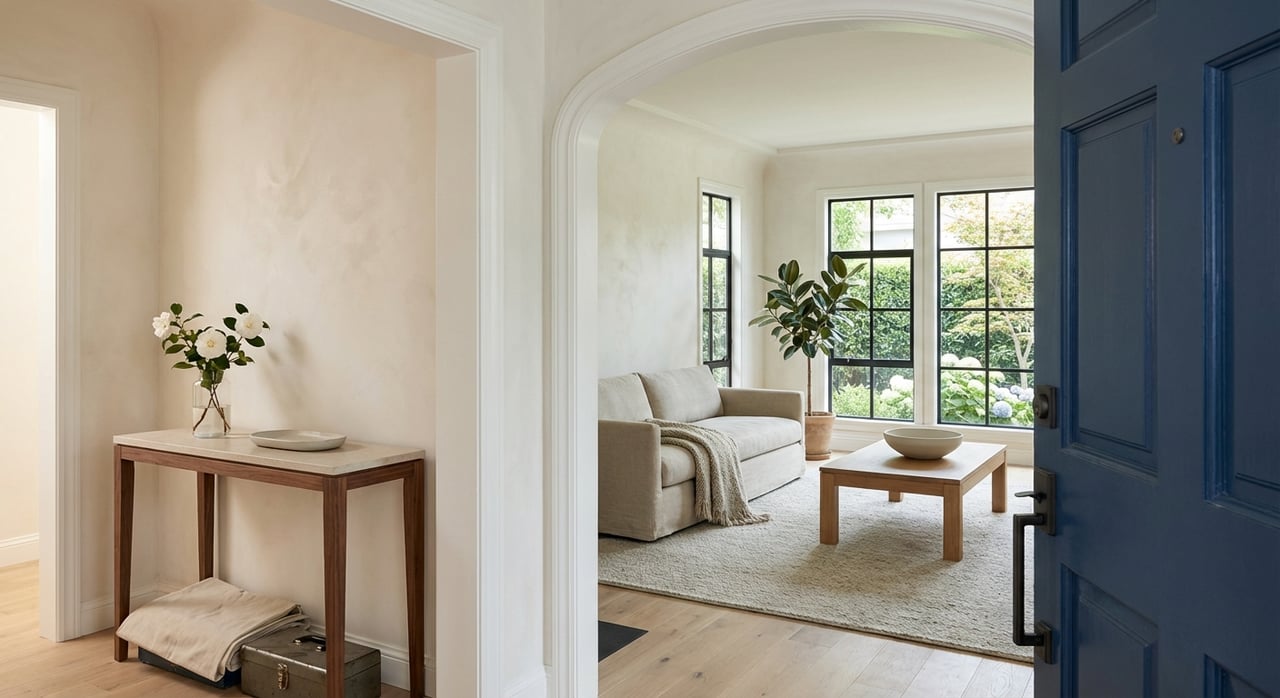
Your front approach sets the tone. Clean the porch and walkway, refresh lighting and house numbers, and add simple potted plants. If there’s space, a small entry console and mirror signal order and care. A tidy curb scene also improves your first online photo, which drives clicks.
Aim to show scale, flow, and light. Edit bulky pieces, define a conversational seating area, and keep cords and media gear out of sight. If there’s patio access or a view, orient seating to draw the eye outside and underscore indoor and outdoor connection.
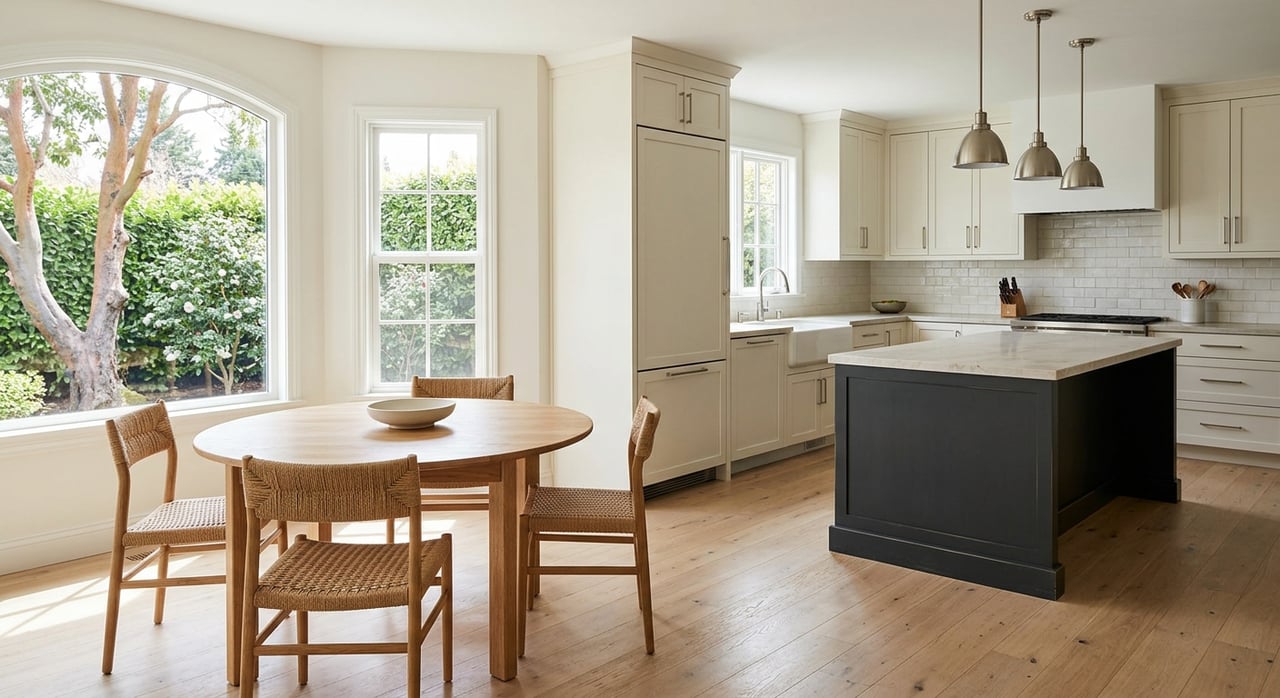
A clean, bright kitchen photographs beautifully and shapes buyer impressions. Clear counters, group a few simple vignettes, and consider quick cosmetic lifts like new hardware or consistent bulbs. If space allows, style a small breakfast nook to suggest daily function.
Create a calm, generous feel. Use neutral bedding with layered pillows, remove extra furniture to highlight scale, and keep nightstands clutter-free. Tidy the closet to show capacity and order, which buyers notice.
Bathrooms should feel fresh and well maintained. Regrout or deep clean tile if needed, replace any worn hardware, and stage with crisp towels and a small plant. Keep personal items out of sight during showings and photos.
In El Cerrito, even compact patios matter. Stage a bistro set or small seating area, add low-maintenance greenery like succulents, and remove yard clutter. For hillside or view homes, ensure furniture placement frames the outlook and window treatments are open during photos.
Remote and hybrid work remain common. A simple desk, task chair, good lighting, and tidy shelving will clearly signal purpose. Keep decor minimal so buyers can imagine their setup.
Buyers value practical storage and parking. Declutter, organize seasonal items, and keep floors clear to show capacity. If off-street parking is a feature, make sure it is visible and accessible for photos.
For older El Cerrito homes, honor original details while neutralizing finishes. Avoid overmodernizing in a way that competes with the architecture. Thoughtful edits can bridge character and contemporary appeal.
If you want a thorough refresh and higher visual polish, plan a four to six week runway.
This schedule supports stronger presentation and can maximize your market debut.
When speed matters, focus on the highest-impact moves.
Fast prep reduces disruption and cost while still elevating your listing where it counts.
Budgets vary by property size and scope. Here are common ranges to help you plan:
Return on investment depends on condition and price point. The strongest payoffs usually come from improvements that show up in photos and first impressions, like the living areas, kitchen, primary bedroom, and outdoor settings. Staging also helps reduce buyer friction by clarifying how spaces live.
Concierge-style programs can front the cost of approved pre-sale improvements such as staging, painting, repairs, landscaping, and decluttering. They also coordinate vendors and simplify logistics so you move faster with less stress. Repayment typically happens at closing from sale proceeds, and terms vary by market and provider, so confirm details locally.
Smart questions to ask your agent about concierge options:
Programs like these are most effective when used for visible, buyer-friendly updates with clear appeal, such as paint, staging, bathroom and kitchen touch-ups, and landscaping.
Stage with the camera in mind. Open curtains and blinds to maximize natural light, conceal cords and bins, and use mirrors only where they truly amplify space. Schedule photos after staging and cleaning so every shot reflects your best version.
Twilight photos can boost curb appeal. Drone imagery may help show context like hillside orientation or proximity to transit and parks when appropriate. Clear floor plans and room measurements are valuable for buyers who are assessing scale and furniture fit.
Virtual staging can be a lower-cost, faster option for certain rooms. Use it thoughtfully and disclose when required. Real staging still offers the best in-person experience, so reserve virtual edits for cases where layouts are clear but the room is empty.
During your first one to two weeks on market, concentrated showings and open houses can help build momentum. Keep the home tidy between visits, and ask your agent about light staging maintenance if traffic is high.
When you focus staging where it matters most, align with East Bay buyer preferences, and keep a clear timeline, you position your El Cerrito home to sell faster and stronger. With experienced guidance and concierge-style coordination, you can achieve a polished result while keeping your routine intact.
Ready to map the best staging plan for your home? Connect with the Estela Sallat & Michael Perry Team to Schedule a Consultation and get a tailored, local-first strategy.
Stay up to date on the latest real estate trends.






Whether you’re buying your first home or listing a cherished property, Sallat & Perry Group brings unmatched East Bay insight and a personalized strategy to every transaction.