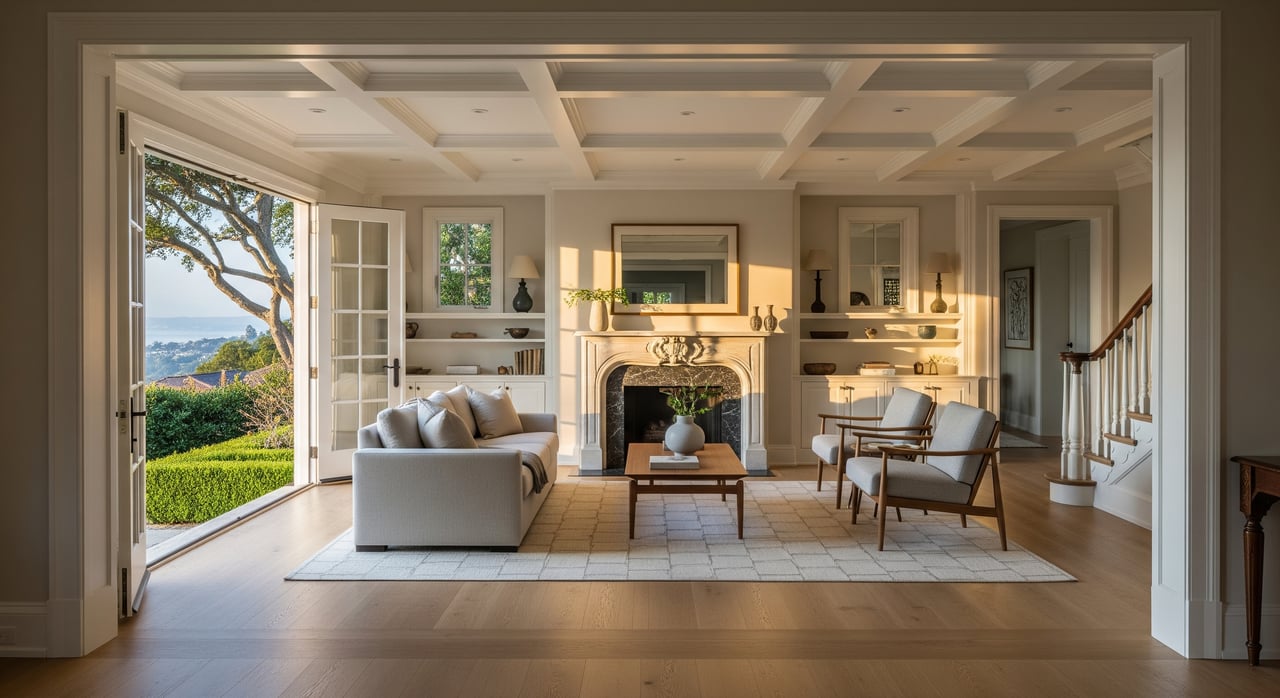
How Open Houses Work In Piedmont
December 4, 2025
December 4, 2025
Thinking about touring homes in Piedmont and wondering how open houses actually work here? You are not alone. With limited inventory and strong buyer demand, things can move quickly, and the process can feel different from other markets. In this guide, you will learn when most open houses happen, what to expect when you arrive, which disclosures are typically available, and how these events shape offer timelines and strategy. Let’s dive in.
Piedmont is a small, primarily single-family city surrounded by Oakland. Homes often receive strong interest as soon as they hit the market, which means open houses can be busy and timelines can be short. You will often see professionally staged properties, clear traffic flow inside the house, and careful attention to privacy. These details reflect a high-touch selling environment in a market with limited supply and well-qualified buyers.
If you are watching broader East Bay trends, local association updates from the Bay East Association of REALTORS can help you understand how quickly homes are moving across Alameda County. For day-to-day decisions though, your best guide will be the specific instructions set by each listing agent and seller.
In the Bay Area, most public open houses happen on weekend afternoons. In Piedmont, that pattern holds, but hours may be limited to manage traffic. Some sellers request appointments for all visits or hold shorter windows to balance exposure and privacy. If you are working on a tight schedule, plan to arrive early and allow time to park on nearby residential streets.
Many Piedmont listings are shown first during a weekday broker preview. This event is meant for real estate agents to walk through, ask questions, and share details with their clients before the public opens. If you are serious about a property, ask your agent to preview it on your behalf. You can get earlier insight on condition, disclosures, and expected interest.
Some sellers choose private, appointment-only tours or combine them with limited public hours. If privacy rules feel strict at a public open, your agent can request a scheduled showing so you have more time to look closely and ask questions without the crowd.
Video walkthroughs and 3D tours remain common. These tools help you pre-qualify interest and reduce unnecessary foot traffic. Use them to screen homes before you commit to an in-person visit.
You will usually be asked to sign in, either on paper or a tablet. Typical details include your name, contact information, and whether you are working with an agent. If you have an agent, write your agent’s name and contact so the listing team knows where to direct follow-ups. This keeps communication clear and reduces sales outreach to you directly.
In California, listing agents must make their role clear. At an open house, the host typically represents the seller. If you want representation, work through your own agent rather than relying on the listing agent. For an overview of agency relationships, visit the California Department of Real Estate and the California Association of REALTORS consumer resources.
In higher-value neighborhoods, sellers sometimes request to see ID or ask visitors not to photograph interiors. You may also be asked to remove shoes or use provided shoe covers. If any request feels uncomfortable, ask your agent to arrange a private showing instead. As a safety tip, avoid leaving valuables visible in your vehicle when parking on residential streets.
California has a strong disclosure framework. At or shortly after an open house, you may encounter the following documents or references:
Listing agents may keep a printed binder at the property or share a digital packet by request. Full packets are often provided when a buyer’s agent requests them or when you show serious interest. Your agent can help you request and review disclosures as early as possible. For general background on disclosures, consult the California Association of REALTORS consumer materials.
In a limited-inventory market, offers often follow quickly after the first public showings. Some sellers set a specific review date. Others consider offers as they arrive. It is common to see a schedule that starts with a broker preview, followed by one or more weekend opens, then strong buyer activity within 24 to 72 hours.
A little structure goes a long way. Use this quick plan to make each open count:
Hosting expectations are high, and professional preparation pays off. Here is a concise checklist aligned with local norms:
If you want a high-touch rollout, a concierge-driven approach to listing prep and marketing can streamline the process and help you present at a premium level.
Open houses must follow federal and state fair housing laws. Hosts and visitors should avoid comments or practices that could be discriminatory. To learn more, review the National Association of REALTORS fair housing guidance. Sign-in data should be handled responsibly, and you should understand how your contact information may be used. If you have concerns, ask the hosting agent about their privacy practices.
The best open house experience is organized, informative, and calm. In Piedmont, that usually means clear agency lines, ready access to disclosures, and a quick pivot to strategy if a home feels right. When you prepare your financing and enlist a local agent early, you can use open houses to learn fast and act with confidence.
If you are planning to tour in Piedmont or the surrounding East Bay, let’s talk through the timing, disclosures, and offer tactics that fit your goals. Schedule a Consultation with the Estela Sallat & Michael Perry Team.
Stay up to date on the latest real estate trends.

Real Estate
Essential Smart Home Upgrades for Modern Berkeley Living
Real Estate
Affordable Green Improvements to Enhance Your Piedmont Property
Whether you’re buying your first home or listing a cherished property, Sallat & Perry Group brings unmatched East Bay insight and a personalized strategy to every transaction.