Why Bay Area Home Prices Keep Rising
Michael Perry June 20, 2026
Michael Perry June 20, 2026
People have predicted a Bay Area housing crash for years. In fact, some of these people thought the post-COVID rise of interest rates was the beginning of the decline. It wasn't. The market, overall, is as strong as it has ever been and three structural forces help explain why. Understanding these forces changes how you see this region’s real estate.
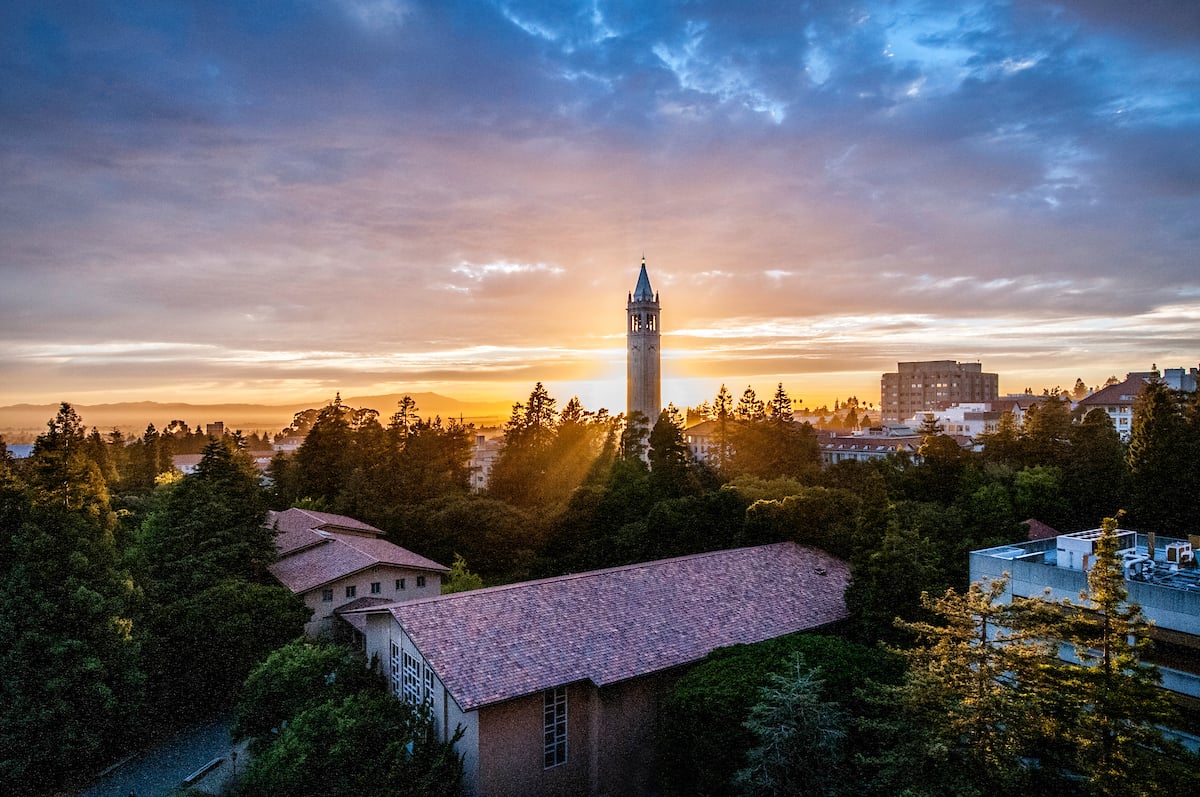
Stanford University holds the No. 3 spot globally in U.S. News & World Report’s 2026-27 Best Global Universities ranking, right behind Harvard and MIT. UC Berkeley ranks No. 7 worldwide, retaining its position as the top public university in the United States for the second consecutive year.
To put that in context: U.S. News evaluated 2,250 research institutions across 150 countries using 13 indicators, research reputation, international citations, scholarly output, and global academic collaboration. Two of the world’s top ten are within commuting distance of each other in the Bay Area.
This factors in the housing market in ways that go deeper than one might think. These universities are world class talent factories, and many of the graduates that come from these institutions choose to stay in the Bay Area.
Data from UC Berkeley shows that more than half of graduates across all colleges remain in the Bay Area immediately after graduation and in some fields, that figure climbs to 78 percent. The reasons are straightforward: the Bay Area offers some of the highest concentrations of jobs in technology, AI, biotech, medical research, finance, and higher education anywhere in the world. The employment ecosystem is matched perfectly to what these universities produce.
They stay not only because the jobs are here but they also stay because the communities are uniquely equipped to welcome them. The Bay Area, and the inner East Bay in particular, is one of the most ethnically and culturally diverse regions in the United States. Berkeley’s population spans more than 80 languages. Oakland is consistently ranked among the most diverse large cities in the country. For someone arriving from another country, these communities offer a level of belonging that is genuinely difficult to find elsewhere in the U.S.
This isn’t just a talking point. It’s an actual number.
In 2025, AI companies worldwide raised $211 billion in venture capital, representing an 85 percent jump from the year before. And the overwhelming majority of that capital landed in the Bay Area, capturing 60 percent of all global AI funding.
The Bay Area is where AI is being built, funded, and staffed. And that capital concentration is deepening, not reversing. In Q1 2026, global funding crossed $300 billion in a single quarter! 80 percent of that money going to AI and the largest rounds again went to Bay Area companies.
What does this mean for housing? AI and AI-adjacent firms now account for roughly 36 percent of San Francisco’s office tenant demand. These jobs come with top-of-market compensation, significant equity, and robust relocation packages which all translate directly into strong buyer purchasing power.
Housing inventory remains historically low . . . and it's hard to imagine that changing. Lots of buyers, not a lot of homes for sale.
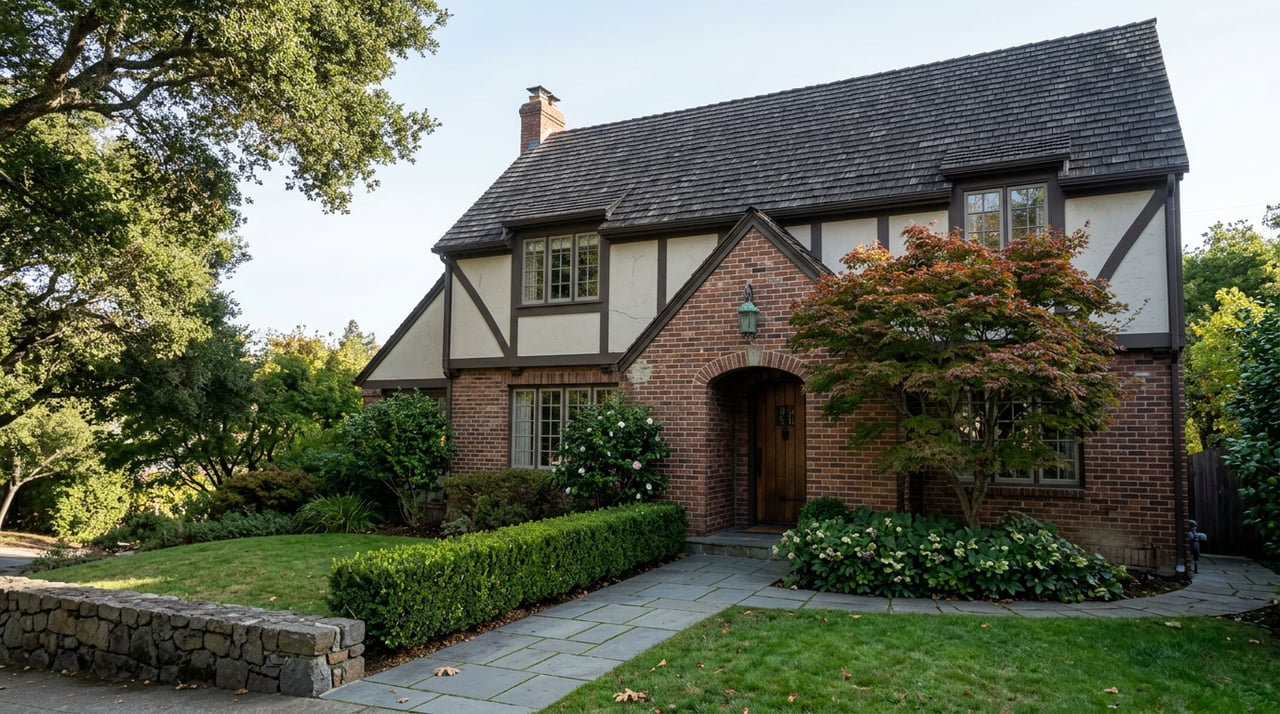
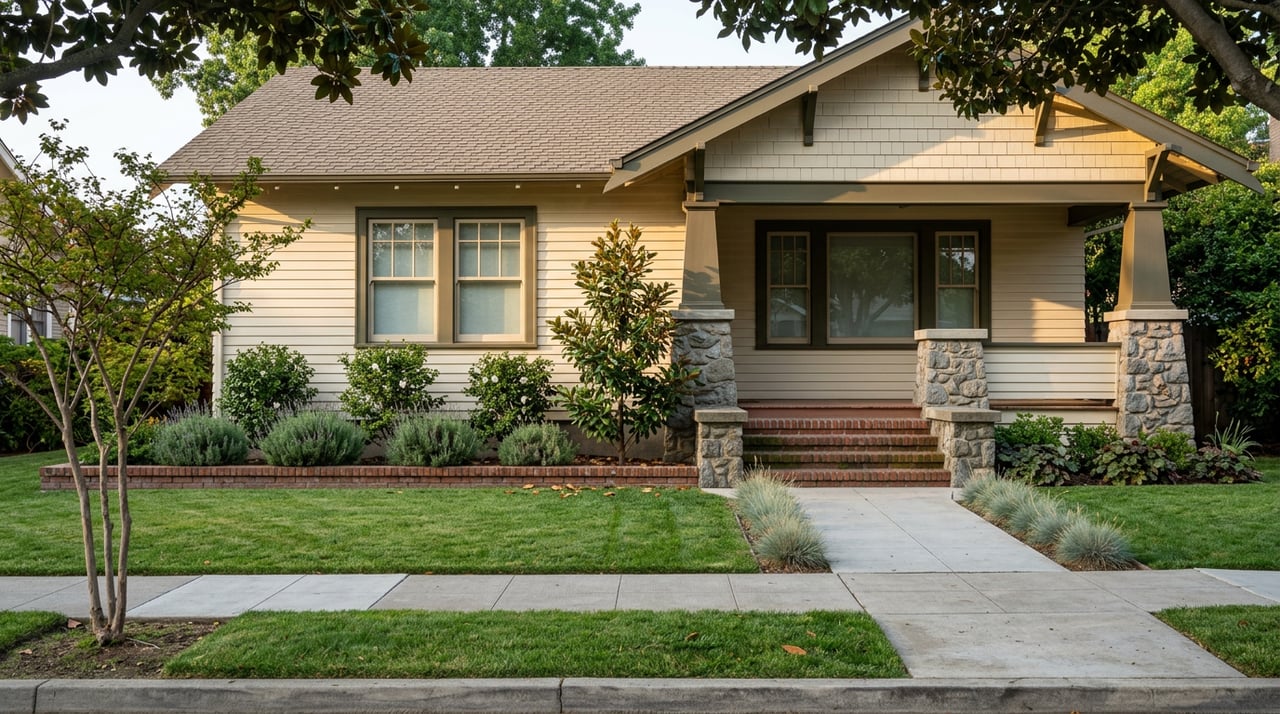
The Inner East Bay simply does not have open space to build homes on at any level that would noticeably impact the housing supply. Berkeley, Piedmont, Albany, Kensington, El Cerrito, and other areas closest to SF are nearly at capacity for single family homes. They are built up, creating a static inventory "floor" that is unlikely to change much over time.
Looking beyond the Inner East Bay into areas such as Concord, Fairfield, and Oakley there is open space with building potential but that is unlikely to impact housing prices in the Inner East Bay. Sometimes what we see is long-time home owners with large amounts of equity "cashing out" by selling their homes in the Inner East Bay and relocating to more affordable areas such as the Outer East Bay.
Some argue that housing shortages can be addressed by adding larger mixed-use buildings. While this certainly offers smaller, more affordable housing options to buyers, it does not have an impact on the price of single family homes. These two buyer demographics operate independently of one another.
When you combine surging, high-income demand from the AI/tech industries and never ending pipeline of university graduates with a housing supply that cannot meaningfully expand, the long-term direction of values becomes clear. Prices may soften in specific micro-markets or product types in any given quarter. But a structural collapse isn’t in the math.
Stay up to date on the latest real estate trends.

Whether you’re buying your first home or listing a cherished property, Sallat & Perry Group brings unmatched East Bay insight and a personalized strategy to every transaction.