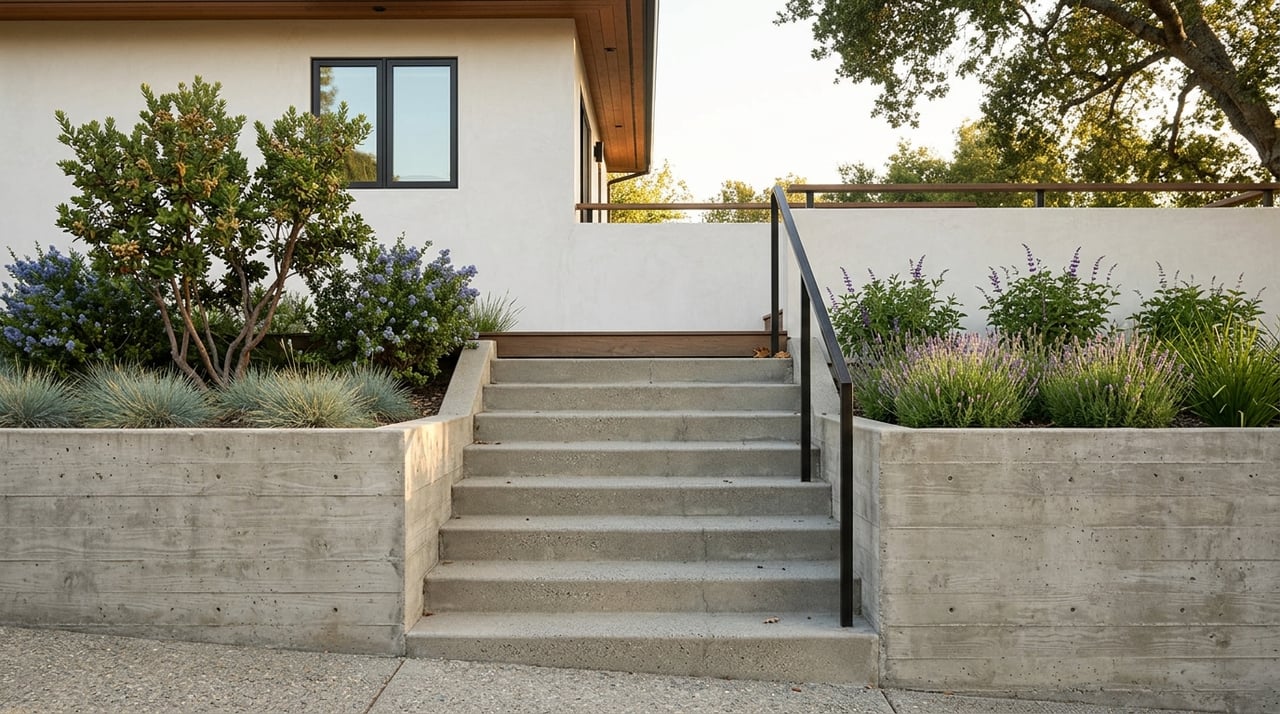
Choosing Between Oakland’s Hills And Urban Flats
June 18, 2026
June 18, 2026
If you are trying to choose between Oakland’s hills and its urban flats, you are really choosing between two very different ways of living in the same city. One may offer views, winding roads, and quick access to open space, while the other may offer easier transit, denser amenities, and a more connected street grid. The right fit depends on how you want your home to feel day to day. Let’s dive in.
Oakland’s geography creates a clear split between the flatlands and the hills. City planning documents describe the flatlands as including Downtown, West Oakland, most of North Oakland, the Port and Airport, and most of East Oakland. The hills rise eastward, with elevations reaching about 1,760 feet in the northeast hills.
That change in elevation shapes more than the view. In parts of the hills east of I-580, slopes exceed 30 percent, while the flatlands are generally much gentler. In practical terms, the hills tend to feel more landscape-driven, while the flats tend to feel more urban and connected.
One of the biggest differences shows up the moment you start driving or walking around. In the flatlands, Oakland’s streets generally follow grid patterns, which can make neighborhoods feel easier to navigate and more linked to nearby shopping, transit, and daily errands.
In the hills, the terrain creates a more winding street pattern. Roads curve with the land, and homes often sit on more topography-sensitive sites. Residential density also generally decreases toward the hills, while some of the highest residential densities are found Downtown and around Lake Merritt.
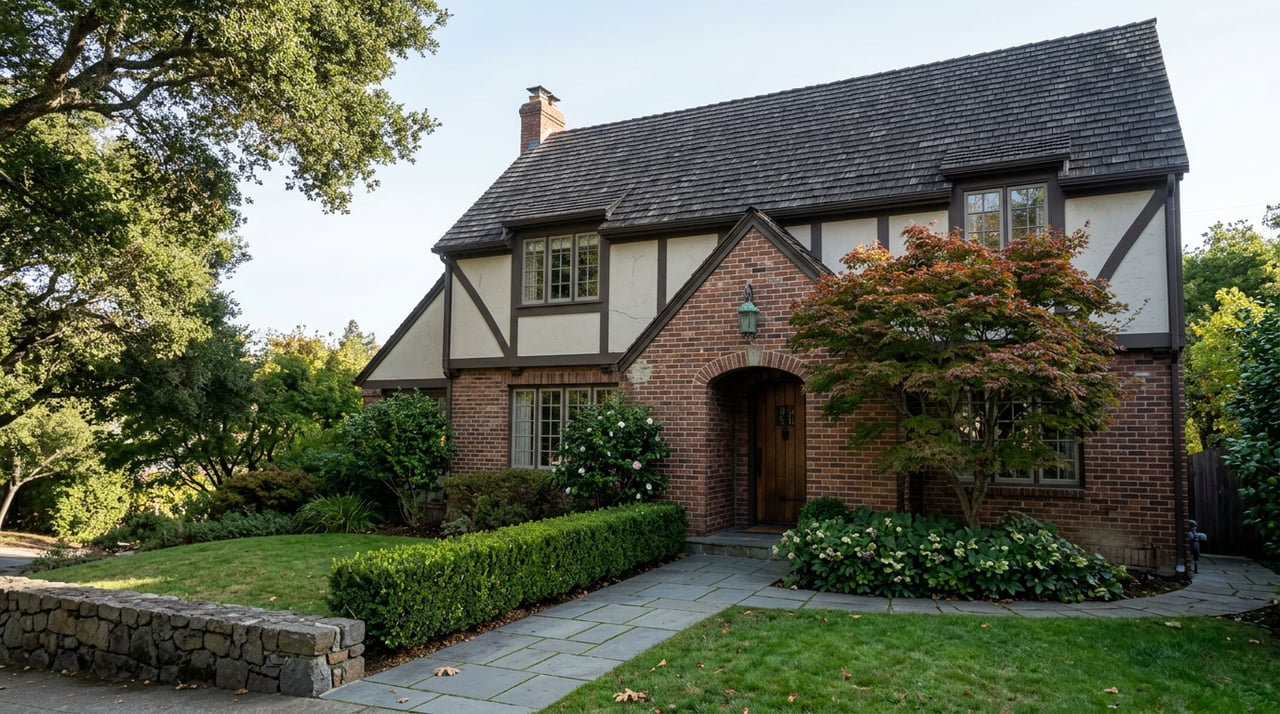
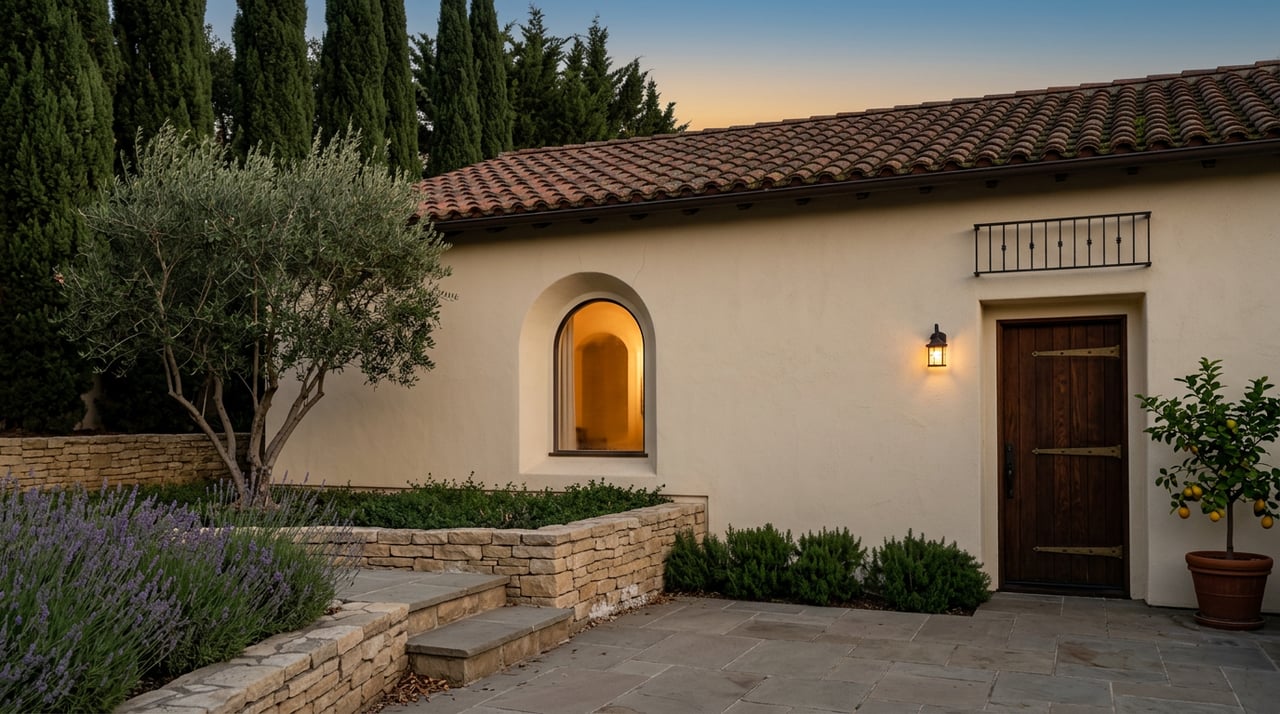
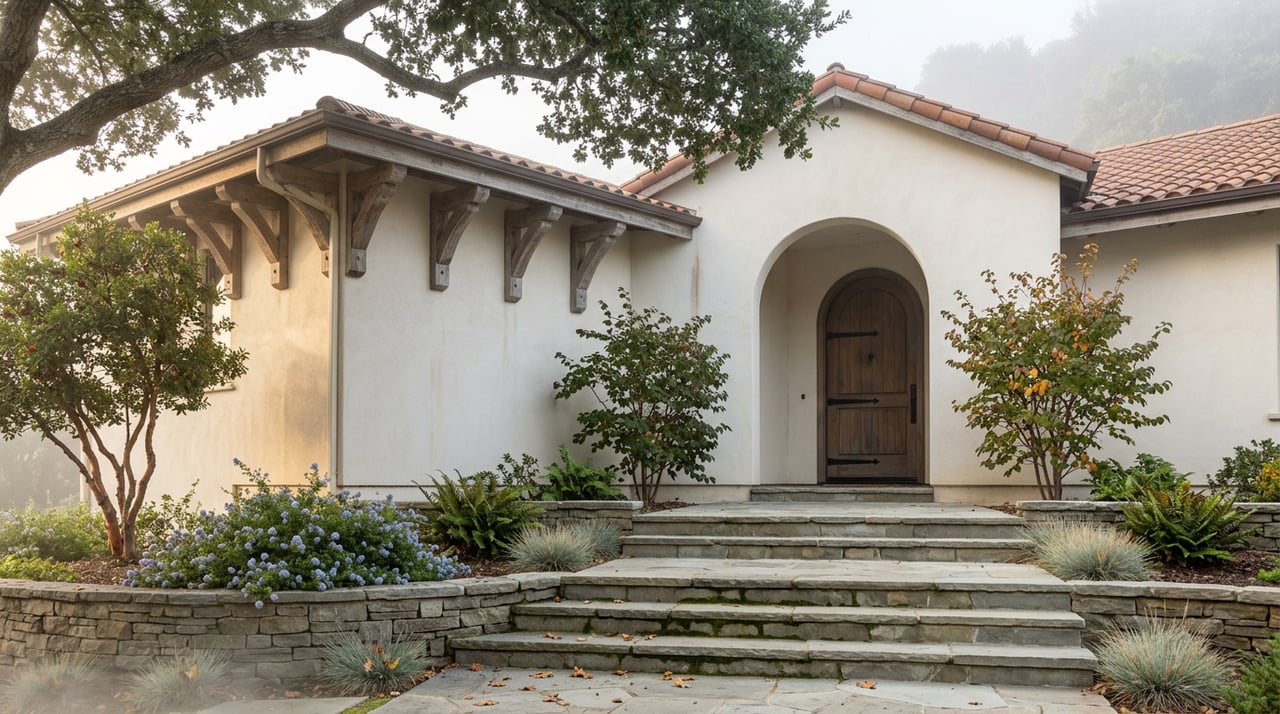
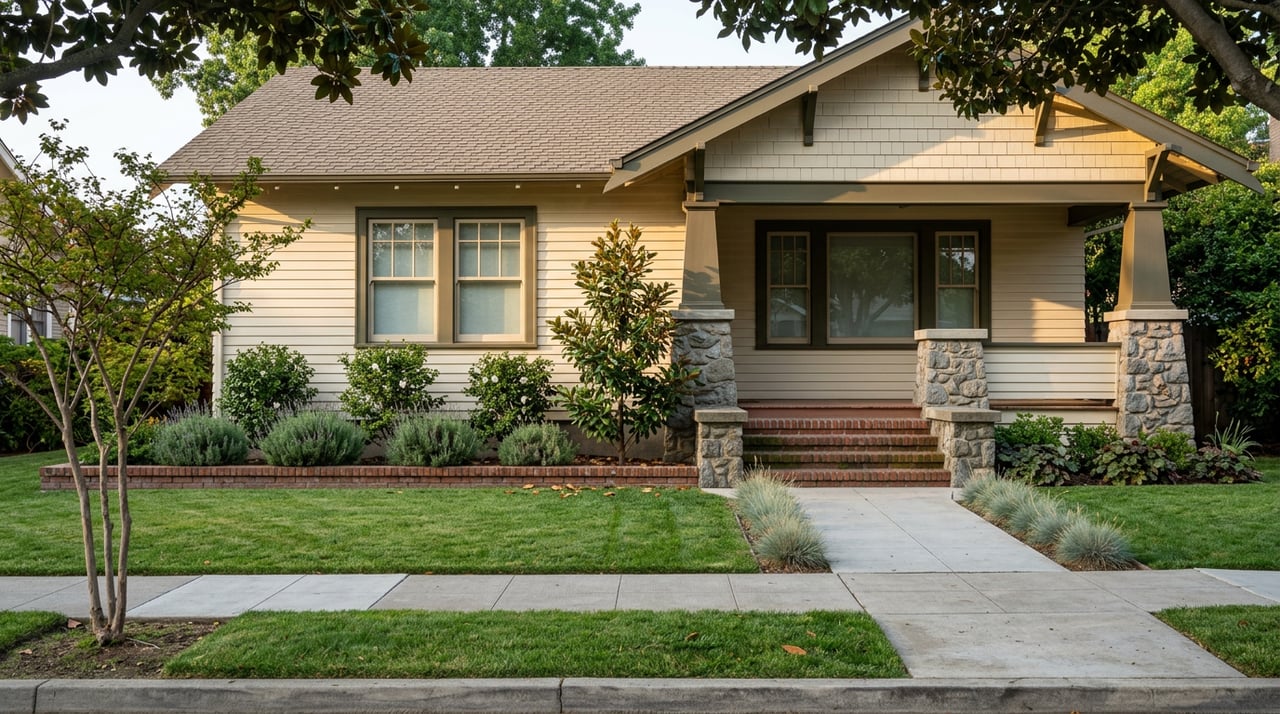
Oakland has a long architectural history, and both settings reflect it in different ways. City land-use analysis points to romantic villas on slopes, bungalows in flatter areas, and enduring local styles such as Craftsman, Norman, Tudor, and Mediterranean homes.
The post-war period added California ranch homes and more steep hillside housing. In flatter parts of Oakland, many single-family homes were later joined or replaced by higher-density flats and apartments. That is one reason many urban-flat neighborhoods still show a mixed pattern of single-family, multi-family, and mixed-use buildings.
In the urban flats, the housing fabric often feels older, layered, and more varied block by block. Oakland’s preservation districts in flatter areas include places like Old Oakland-Victorian Row, the Bellevue-Staten Apartment District along Lake Merritt, Oak Center Historic District, and the 7th Street Commercial District.
That does not mean every flatland neighborhood looks the same. It does mean you are more likely to find a mix of building types, transit-adjacent streets, and a stronger connection between residential and commercial areas.
In the hills, views are a major design factor. The city notes that hill neighborhoods developed in part because of their views, and that new development, grading, and tree removal are key concerns in these areas.
For you as a buyer, that can translate into lots that are more site-specific. A hillside property may offer dramatic outlooks and a strong sense of setting, but it may also come with steeper grades, more complex landscaping, and a closer relationship between the home and the terrain.
For many buyers, the decision comes down to daily rhythm. The hills and the flats can both be appealing, but they support different routines.
A useful way to think about it is this: the hills are more landscape-driven, while the flats are more network-driven. That distinction shows up in how you commute, how you spend time outdoors, and how close you want to be to transit and denser activity.
Buyers drawn to the hills often prioritize:
The outdoor access is a real advantage. Joaquin Miller Park alone spans 500 acres with redwood groves, oak woodlands, creeksides, and meadows. Reinhardt Redwood Regional Park covers 1,833 acres just a few miles over the ridge from downtown Oakland, and the East Bay Regional Park District manages 73 parks and more than 125,000 acres.
Buyers who prefer the flats often prioritize:
The flatlands are anchored by several major BART stations. These include 19th Street in Uptown, Lake Merritt near Chinatown and Laney College, MacArthur near Temescal, West Oakland with strong regional access, Fruitvale as a major commercial hub, and Coliseum with service toward the airport.
If you expect to rely on transit often, this may be one of the most important parts of your decision. Oakland’s flatlands are generally more transit-connected than its hills.
The Broadway corridor is one of the city’s most important transit spines. The city says more buses run on Broadway than on any other street in Oakland, and the Broadway bus-lane project can improve bus reliability by 20 percent and cut travel time by up to 30 percent.
AC Transit’s Tempo Line 1T is another strong example of flatland connectivity. It runs 24 hours a day, 7 days a week, and connects neighborhoods along International Boulevard to Downtown Oakland.
Hill areas do have bus service, but it is more feeder-oriented. Routes such as AC Transit 54 connect East Oakland to Merritt College via Fruitvale BART, while other lines serve parts of Joaquin Miller Road, Skyline Boulevard, and Redwood Road. Because of the winding street network and terrain, hill living is often more car-dependent or bus-feeder-dependent than living in central flatland areas.
The hills and flats also differ in environmental conditions. Oakland’s environmental documents say annual rainfall varies from about 16 inches near the Bay to about 26 inches toward the hills. That means hill neighborhoods are generally wetter and more exposed to upland weather differences.
Terrain matters too. Steeper lots can affect how a property is accessed, landscaped, and maintained. In the hills, those practical details are often more central to your buying decision than they would be in flatter neighborhoods.
Wildfire is one of the clearest hill-specific considerations. Oakland’s wildfire guidance says the hills’ wildland-urban interface is characterized by hot, dry summer and fall seasons, high winds, steep terrain, and limited accessibility for emergency responders.
The city inspects about 26,000 parcels in the Oakland Hills WUI Fire Area each year. It also says most of the hills fall within High or Very High Fire Hazard Severity Zones. The city’s fact sheet identifies the 1991 Oakland/Berkeley firestorm as the most notable wildfire event, with more than 3,000 homes destroyed and 25 deaths.
If you are considering a home in the hills, it is important to understand not just the appeal of the setting, but also the ongoing maintenance and risk-awareness that can come with it.
If you are deciding between the hills and the flats, these questions can help clarify what matters most:
There is no universal best answer. The better choice is the one that fits your routine, priorities, and comfort level with each setting’s tradeoffs.
When you tour homes, try to evaluate more than finishes and square footage. In Oakland, the setting around the home can shape your experience just as much as the home itself.
A property in the hills may win you over with outlooks, park access, and a strong sense of retreat. A property in the flats may stand out because of convenience, connectivity, and a more efficient everyday routine. Seeing those differences clearly can help you buy with more confidence.
If you want help weighing Oakland’s micro-markets, the Estela Sallat & Michael Perry Team offers thoughtful East Bay guidance with a calm, high-touch approach for buyers and sellers alike.
Stay up to date on the latest real estate trends.
Whether you’re buying your first home or listing a cherished property, Sallat & Perry Group brings unmatched East Bay insight and a personalized strategy to every transaction.