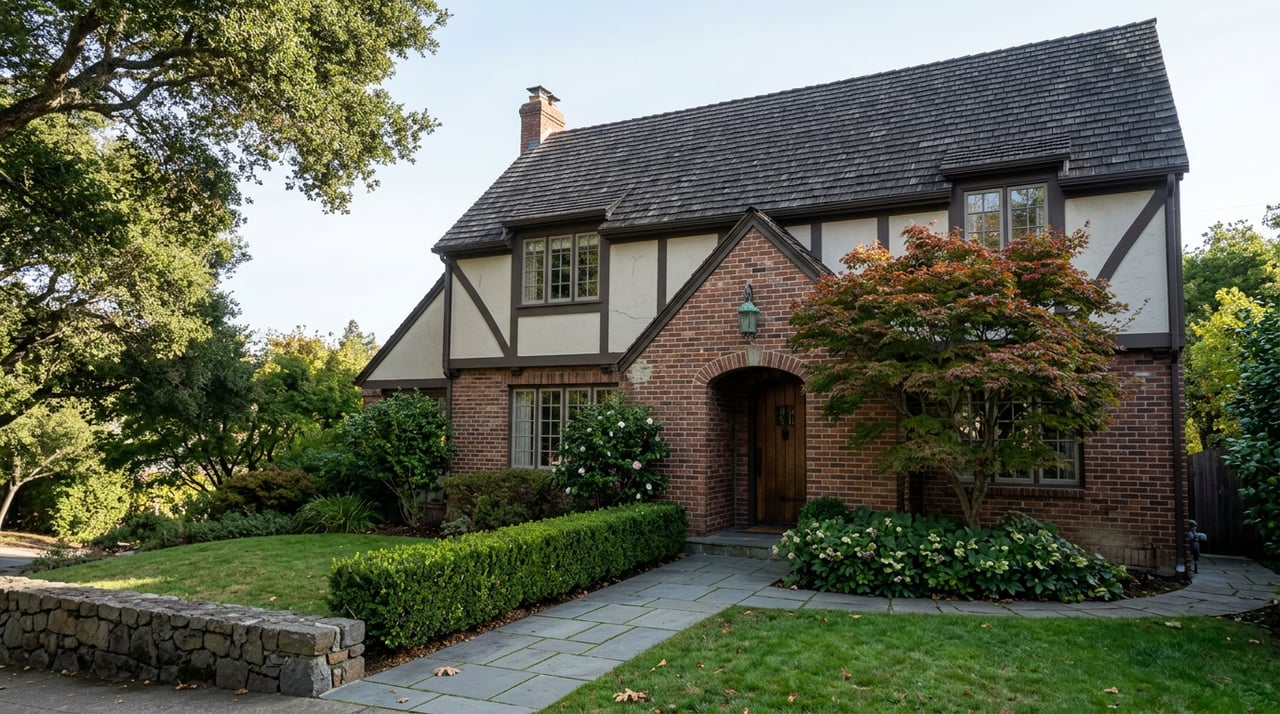
The Piedmont Closing Cost That Lives Underground, and Why Your Neighbor in Orinda Never Sees It
September 24, 2026
September 24, 2026
What if two nearly identical Piedmont and Orinda homes, same price point, same year built, same buyer pool, carried a completely different closing bill for reasons that have nothing to do with the house itself?
That is not a hypothetical. It is how sewer service works in the East Bay, and it is one of the few closing costs that depends entirely on which side of a jurisdictional line a property happens to sit on. If you are preparing to list a home in Piedmont, there is a pipe running under your lawn that you will almost certainly need to think about before escrow closes, and a seller listing a comparable home a few miles east in Orinda or Lafayette may never encounter the same requirement at all.
The private sewer lateral is the pipe that runs from a house to the public sewer main in the street. It is privately owned even though most of it sits under public right-of-way, and in the East Bay it comes with a real estate wrinkle most sellers only discover mid-transaction. The East Bay Municipal Utility District, known locally as EBMUD, runs a Regional Private Sewer Lateral Program that requires a compliance certificate proving the lateral is free of leaks before certain things can happen. The requirement traces back to a 2009 mandate from the EPA and the California Regional Water Quality Control Board, aimed at old, cracked sewer pipes that let groundwater infiltrate the sanitary system and, in heavy storms, overwhelm treatment plants enough to send partially treated wastewater into the Bay.
The certificate is not something every homeowner needs on a fixed schedule. It gets triggered by one of three specific events:
For a Piedmont seller, the first trigger is the one that matters. A valid compliance certificate, or a temporary substitute, has to be in hand before the sale can close.
This is not an abstract risk for Piedmont specifically. Public housing-stock data show that roughly two-thirds of homes in the city were built before 1939, which means a large share of the housing stock still runs on original clay laterals. Those pipes crack at the joints, shift with soil movement on hillside lots, and take root intrusion over decades in ways that PVC and modern trenchless liners do not.
In Alameda and Albany, EBMUD's FAQ says the property owner's responsibility ends at the property line or the curbside cleanout, meaning only the upper portion of the lateral is on the owner's dime.
That distinction matters because the lower lateral, the stretch that runs under the sidewalk and street to the main, is typically the deepest, longest, and most expensive section to repair or replace if it fails a pressure test.
The part of this story that a straight price comparison between towns will never show up: this requirement does not exist everywhere in the East Bay. EBMUD's wastewater service area covers Alameda, Albany, Emeryville, Oakland, Piedmont, El Cerrito, Kensington, and the Richmond Annex, with the last three served through the Stege Sanitary District. Berkeley sits inside EBMUD's drinking-water territory but runs its own separate lateral program with its own rules, so a Berkeley seller is dealing with a related but distinct set of requirements.
Then there are towns where EBMUD only delivers tap water and has no wastewater role at all. Orinda, Lafayette, Moraga, Danville, and Walnut Creek fall into this category. Sewer service in those communities comes from Central Contra Costa Sanitary District, commonly called Central San, which does not impose a point-of-sale lateral certificate requirement. A seller in those towns simply does not face this particular closing-cost line item, regardless of how old the house is or what condition the pipe happens to be in.
That is the hidden mechanism worth sitting with. A buyer comparing a $3 million Piedmont listing against a similarly priced Lafayette or Orinda property on price and square footage alone is not seeing an underground cost that exists in one transaction and not the other. It is baked into which sanitary agency has jurisdiction, not into anything about the house.
If a Piedmont lateral needs work, the path typically starts with a licensed contractor running a video inspection to see the pipe's actual condition, then either a repair or a full replacement, followed by a pressure or air test that an EBMUD inspector witnesses in person. Camera inspections commonly run in the low hundreds of dollars, while repair or replacement work has been cited across East Bay plumbing contractors in a range that typically starts around $3,000 and can run well past that for longer or deeper lines, particularly where a driveway or mature landscaping needs to be crossed.
The certificate you end up with is not permanent. A lateral that passes as-is or gets a spot repair earns a certificate valid for seven years. A full replacement earns one valid for twenty years, which resets the clock and becomes a documented selling point the next time the home changes hands.
If the work cannot be finished before the scheduled closing, EBMUD allows a Time Extension Certificate that gives the responsible party six months to complete it, but it requires a $4,500 refundable deposit held with EBMUD until the work is done and verified. Whether the buyer or the seller covers that deposit, and the underlying repair cost, is a point sellers and buyers negotiate directly. It is worth knowing that number exists before it shows up as a late addition to a purchase agreement.
The practical move for a Piedmont seller is to stop treating the lateral as an escrow-week surprise. EBMUD maintains a property lookup tool that shows whether a valid certificate already exists for an address, and checking it months before a listing goes live costs nothing and answers the question early. If a certificate is expired or was never issued, getting the camera inspection done proactively, while there is still time to choose a repair versus a full replacement without a closing deadline forcing the decision, tends to produce a better outcome than scrambling once an offer is already accepted.
There is also a presentation angle here that fits how Piedmont buyers evaluate a home built before 1939. A documented twenty-year compliance certificate, done ahead of listing, removes a line of buyer due diligence before it ever becomes a negotiating point, the same way pre-inspection reports and clean pest clearances do. Folding a lateral check into pre-listing preparation, alongside staging and photography timelines, is the kind of detail that keeps a transaction moving instead of stalling in the final week.
Does my home need a new certificate if the sale is between family members or part of a trust transfer? Title transfer is generally the trigger EBMUD looks at, so it is worth confirming the specific transaction type with EBMUD or your closing team rather than assuming an exemption applies.
What if a previous owner already replaced the lateral? Check the property's certificate status through EBMUD's lookup tool first. If the replacement was done within the last twenty years and properly certified at the time, that certificate may still be valid and no new work is required.
Is this the same thing as a general home inspection? No. A standard home inspection does not typically include a sewer lateral pressure test. The two are separate processes, and a home can pass a general inspection while its lateral still needs EBMUD certification before closing.
A pipe under the lawn should not be the thing that slows down a sale you have spent months preparing for. If you are weighing a listing in Piedmont, or comparing what a move to Orinda or Lafayette would actually change about your closing costs, the Estela Sallat & Michael Perry Team can walk through what your specific property already has on file with EBMUD and build the timeline around it. Schedule a consultation and let's get the underground details settled before they become a deadline.
This article is general information, not legal, tax or financial advice. Consult a qualified professional about your situation.
Stay up to date on the latest real estate trends.
Whether you’re buying your first home or listing a cherished property, Sallat & Perry Group brings unmatched East Bay insight and a personalized strategy to every transaction.